

Why Choose K-TEK for Robotics Precision Parts
K-TEK combines 5-axis CNC machining, CNC milling, CNC turning, WEDM, EDM, grinding, heat treatment, surface treatment, assembly support, ISO 9001:2015 quality management, ERP-supported production control, tight-tolerance machining and fine surface finish control. These capabilities help engineering buyers reduce supplier communication cost and keep precision components aligned with approved drawings.
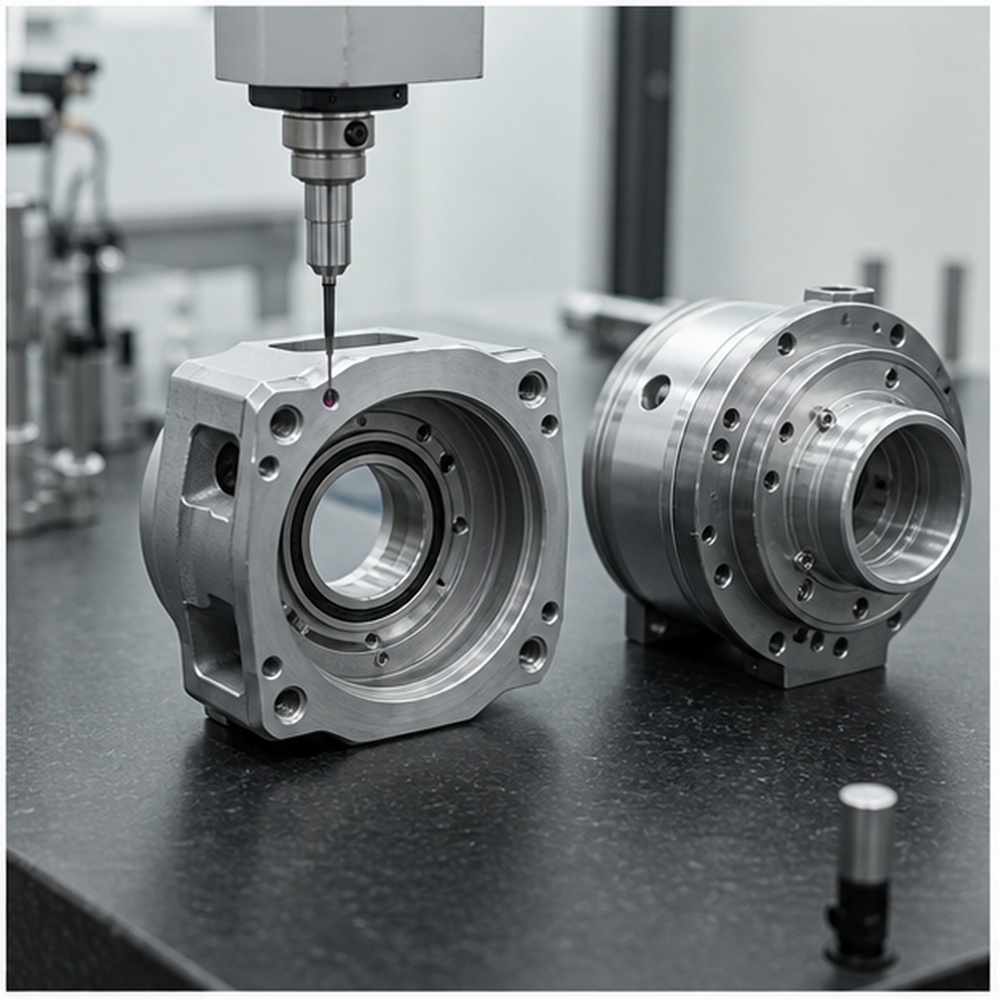
Motion-Critical Fit
We focus on coaxiality, hole position, bearing seats and assembly interfaces that influence robot movement.
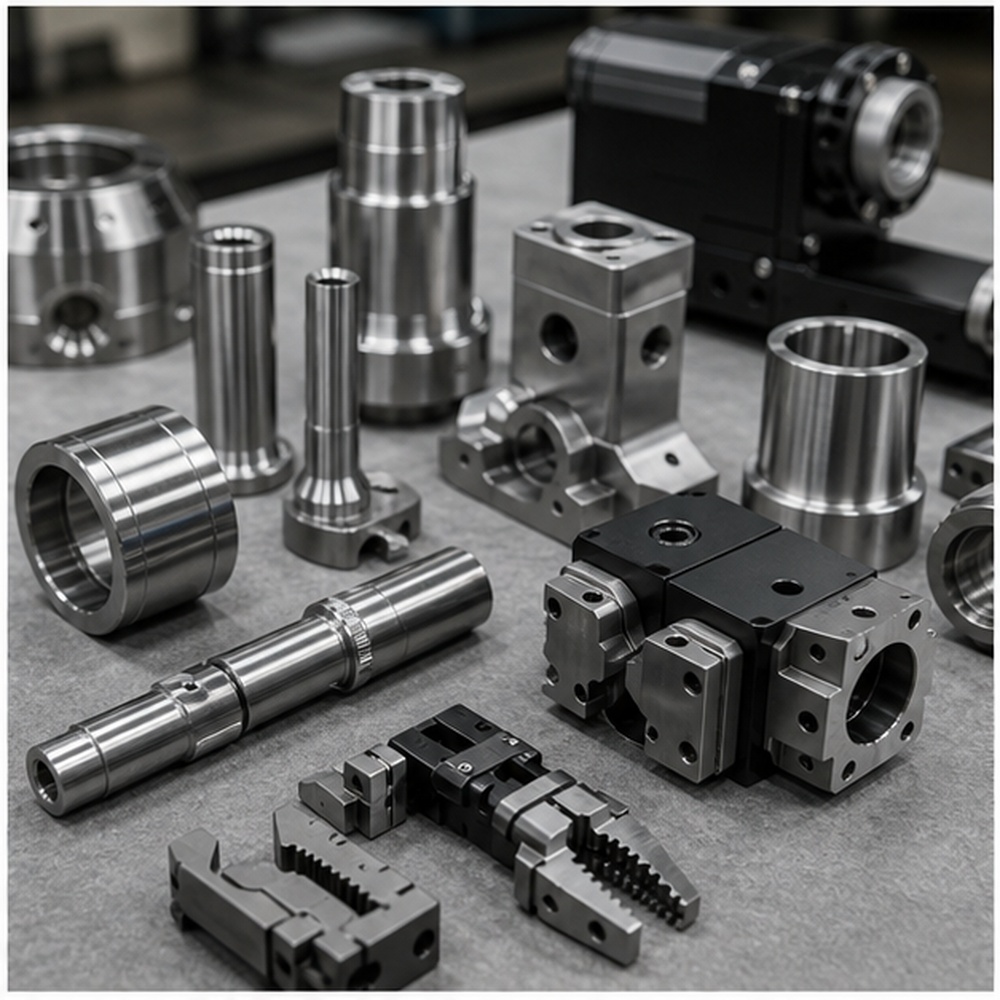
Multi-Process Production
Milling, turning, 5-axis machining, EDM and grinding help produce mixed robotic component families.
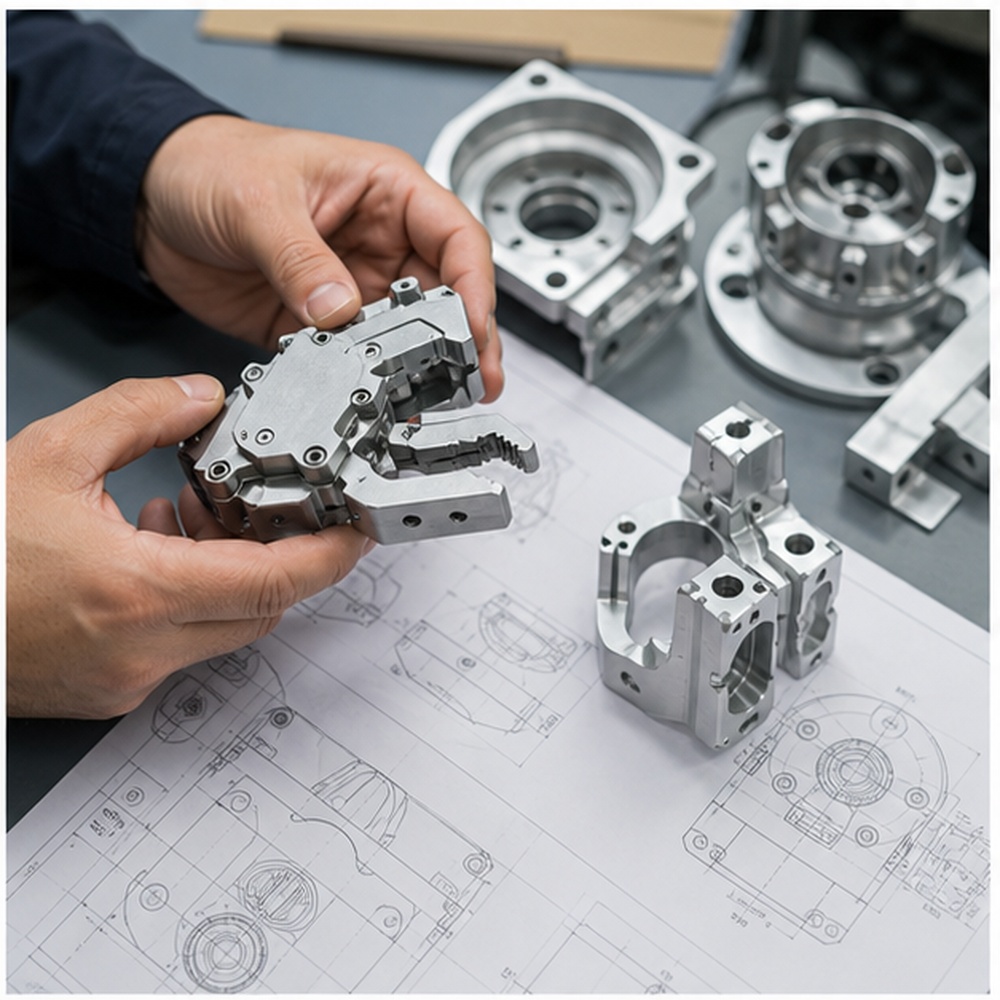
Engineering Change Support
Prototype revisions can be handled quickly when the robot design changes after testing.
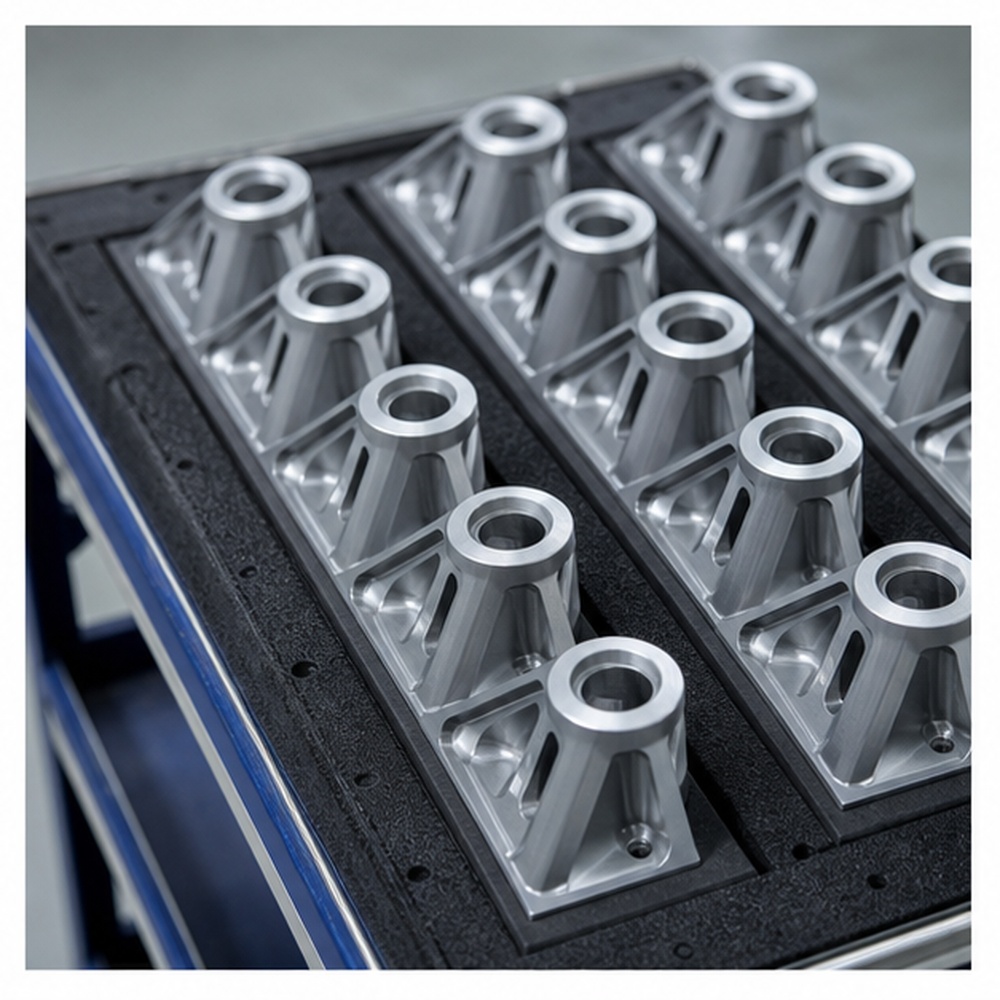
Consistent Batch Production
ERP-supported order flow helps keep repeated robotic parts aligned with approved samples.
From Robotics Prototype to Reliable Production
Robotics development usually moves from concept prototype to functional motion testing, then to pilot equipment and repeat production. K-TEK can machine early prototypes for fit validation, update geometry after actuator or sensor changes and support small to medium batches once the design is confirmed.
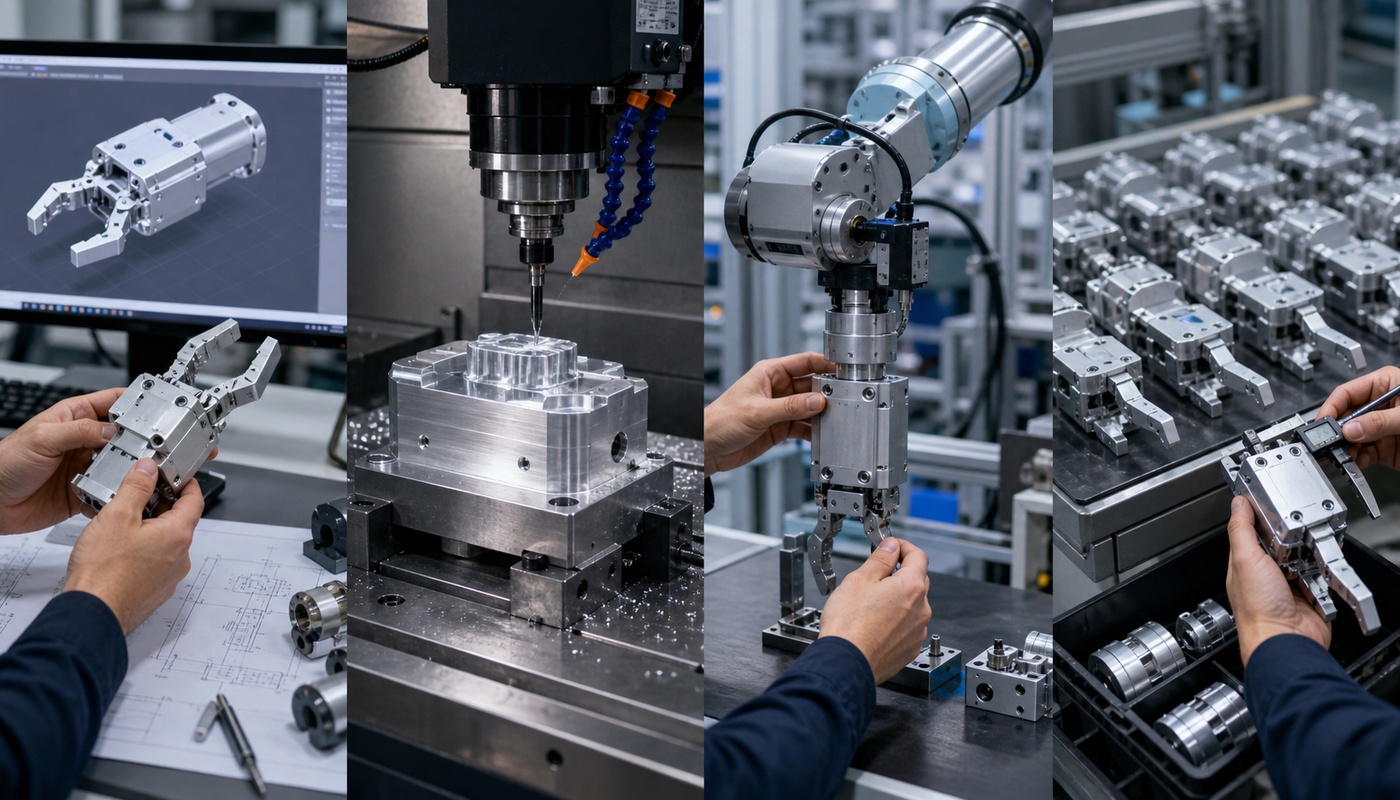
Drawing Review
Review CAD files, material notes, tolerances and finishing requirements before machining.
Prototype Machining
Produce functional samples for fit, assembly, surface and engineering validation.
Pilot Batch
Confirm process stability, inspection method and packaging before repeat production.
Repeat Production
Keep approved dimensions, finishes and inspection points consistent across batches.
Manufacturing Capabilities for Robotics Components
Select the right process according to part geometry, tolerance, material and production volume. K-TEK can combine CNC milling, turning, 5-axis machining, EDM, WEDM, grinding and surface treatment for complete precision part manufacturing.
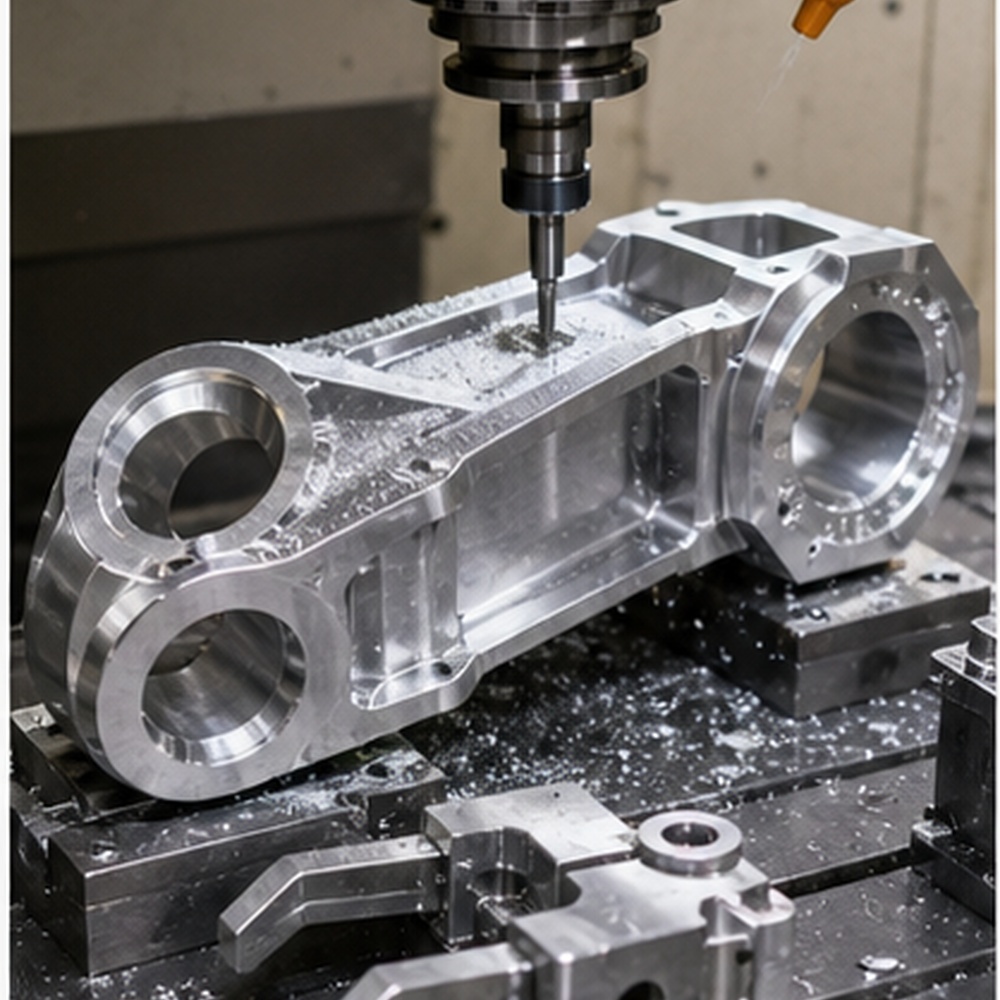
CNC Milling
For robot arms, frames, gripper jaws, sensor mounts and equipment plates.
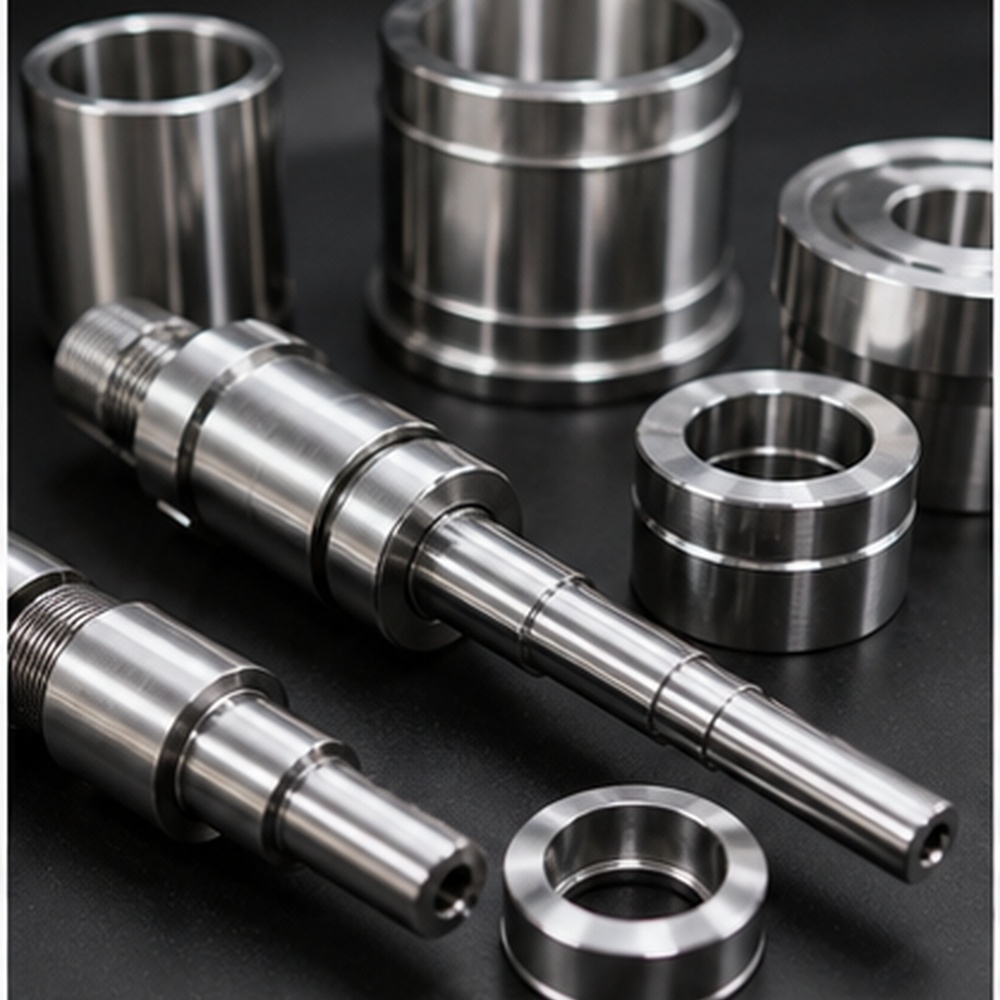
CNC Turning
For shafts, sleeves, pulleys, collars, spacers and round actuator parts.
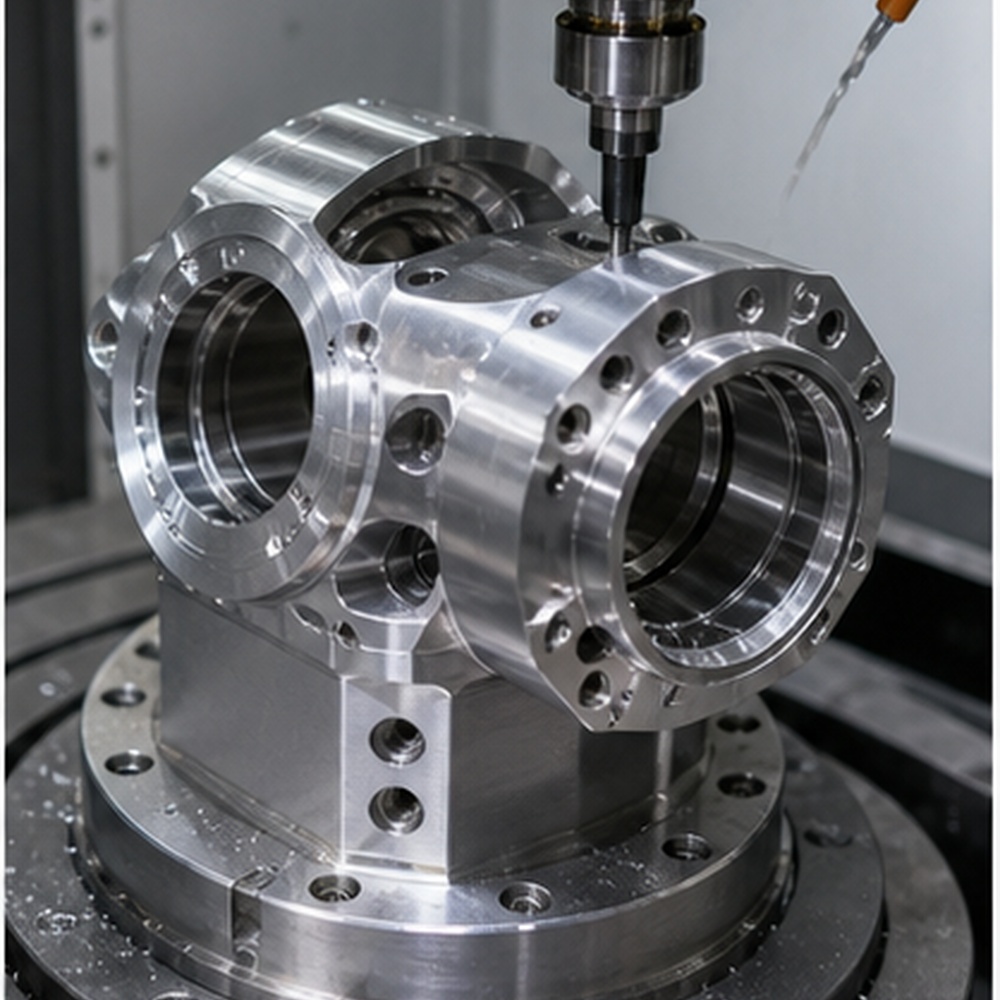
5-Axis Machining
For angled features, compact robot joints and lightweight complex bodies.
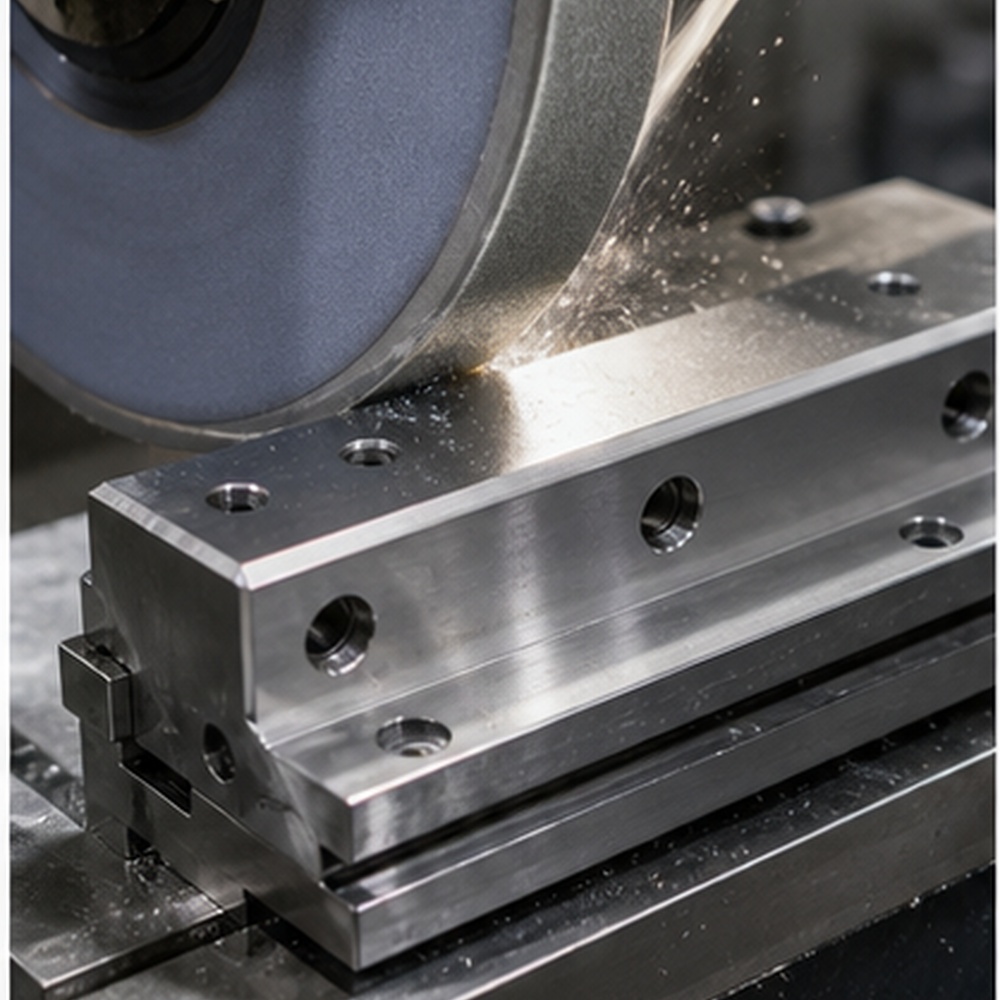
Grinding
For sliding surfaces, precise contact faces and high-fit assemblies.
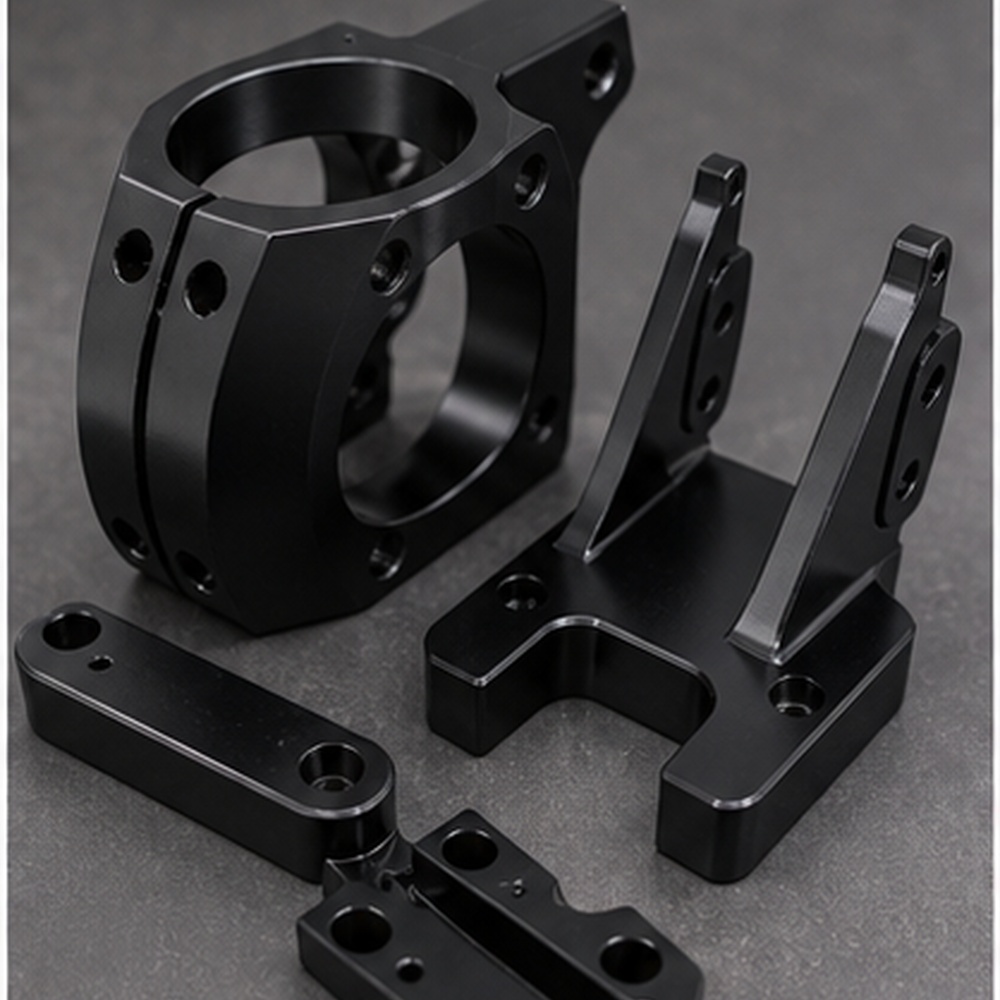
Surface Treatment
For anodized aluminum, plated steel or cosmetic visible robot parts.
Robotics Parts We Manufacture
K-TEK manufactures custom robotics precision parts based on buyer drawings, 3D files and functional requirements. The section should help Google and AI search understand the exact component scope instead of using generic industry wording.
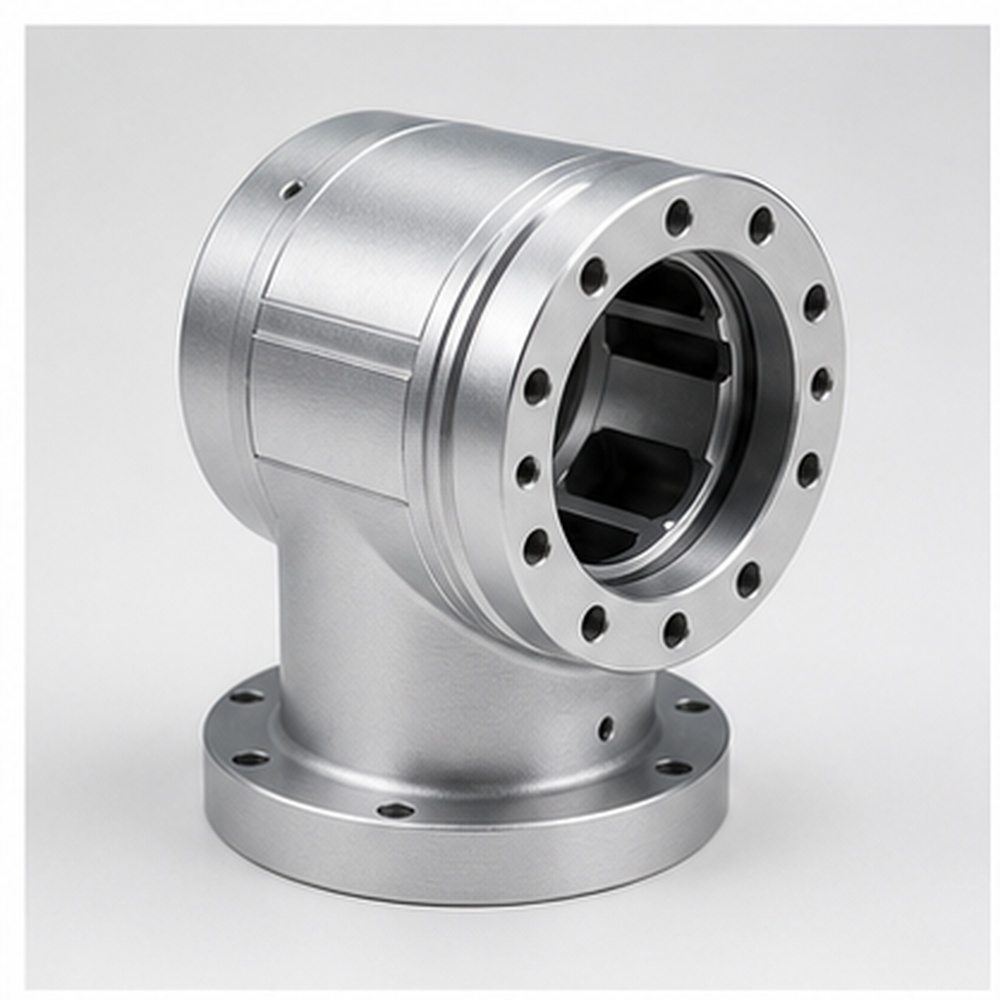
Robot arm joints
Custom machined robot arm joints manufactured according to drawing, material, tolerance and finish requirements.
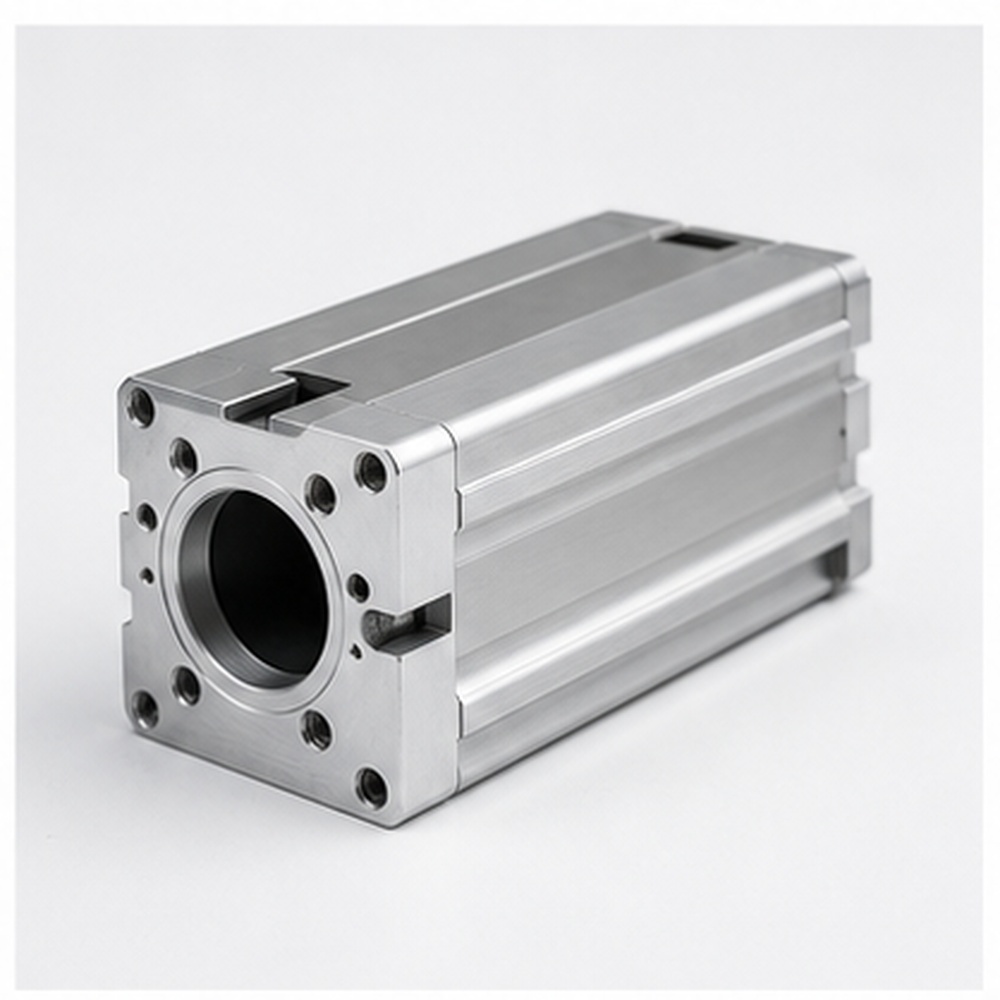
Actuator housings
Custom machined actuator housings manufactured according to drawing, material, tolerance and finish requirements.
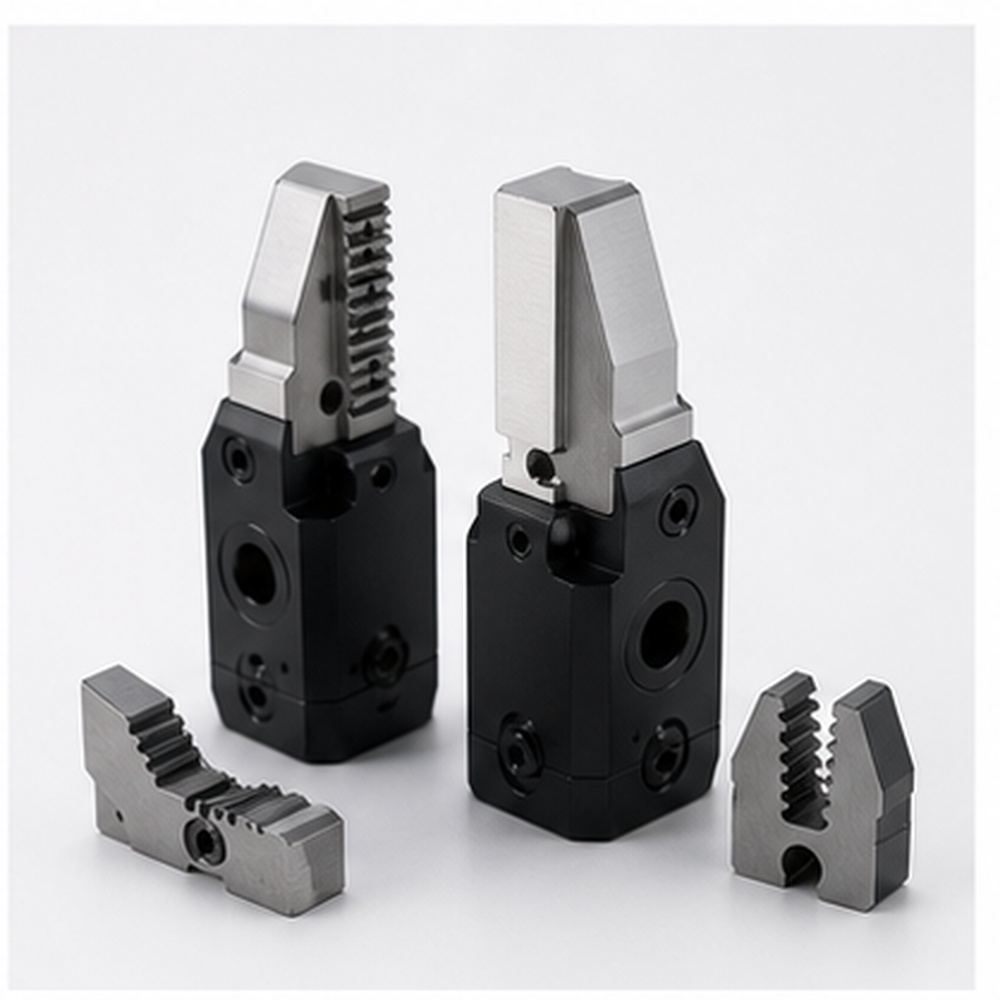
Gripper fingers and jaws
Custom machined gripper fingers and jaws manufactured according to drawing, material, tolerance and finish requirements.
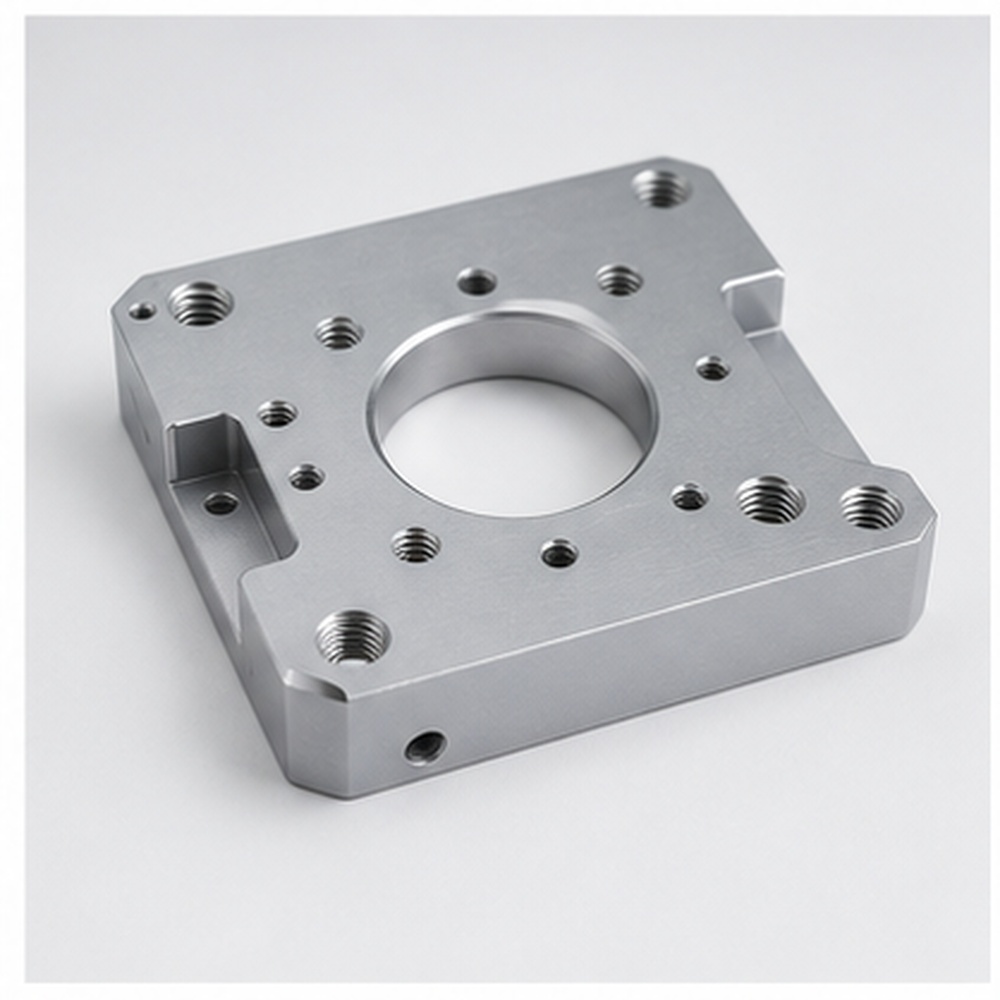
Motor mounting plates
Custom machined motor mounting plates manufactured according to drawing, material, tolerance and finish requirements.
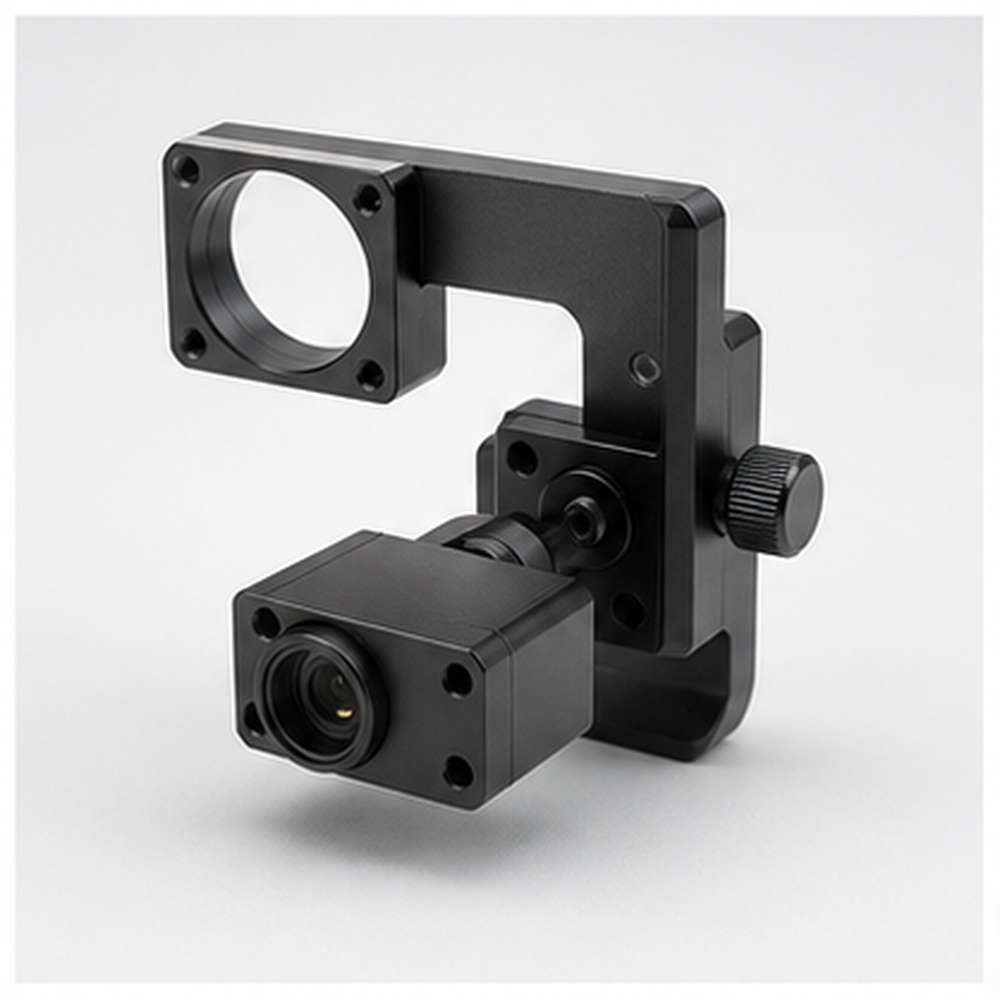
Sensor brackets
Custom machined sensor brackets manufactured according to drawing, material, tolerance and finish requirements.
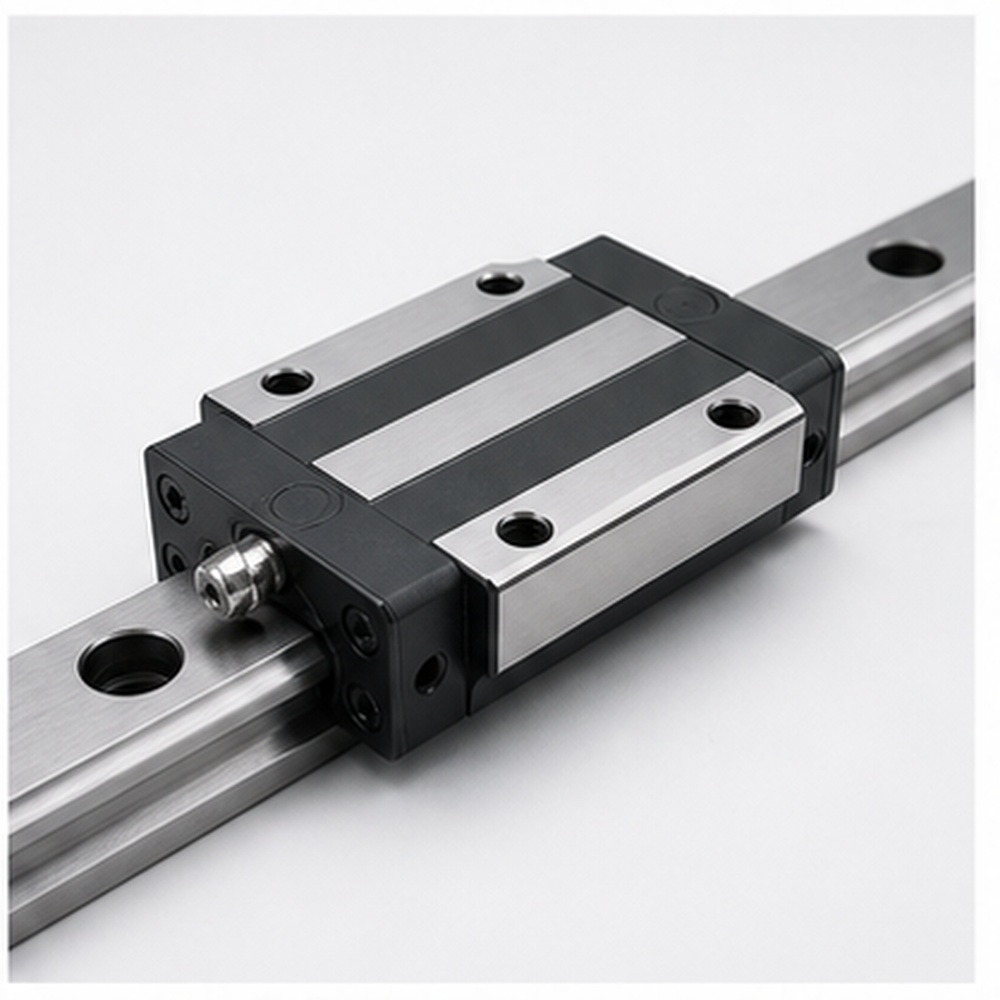
Linear guide blocks
Custom machined linear guide blocks manufactured according to drawing, material, tolerance and finish requirements.
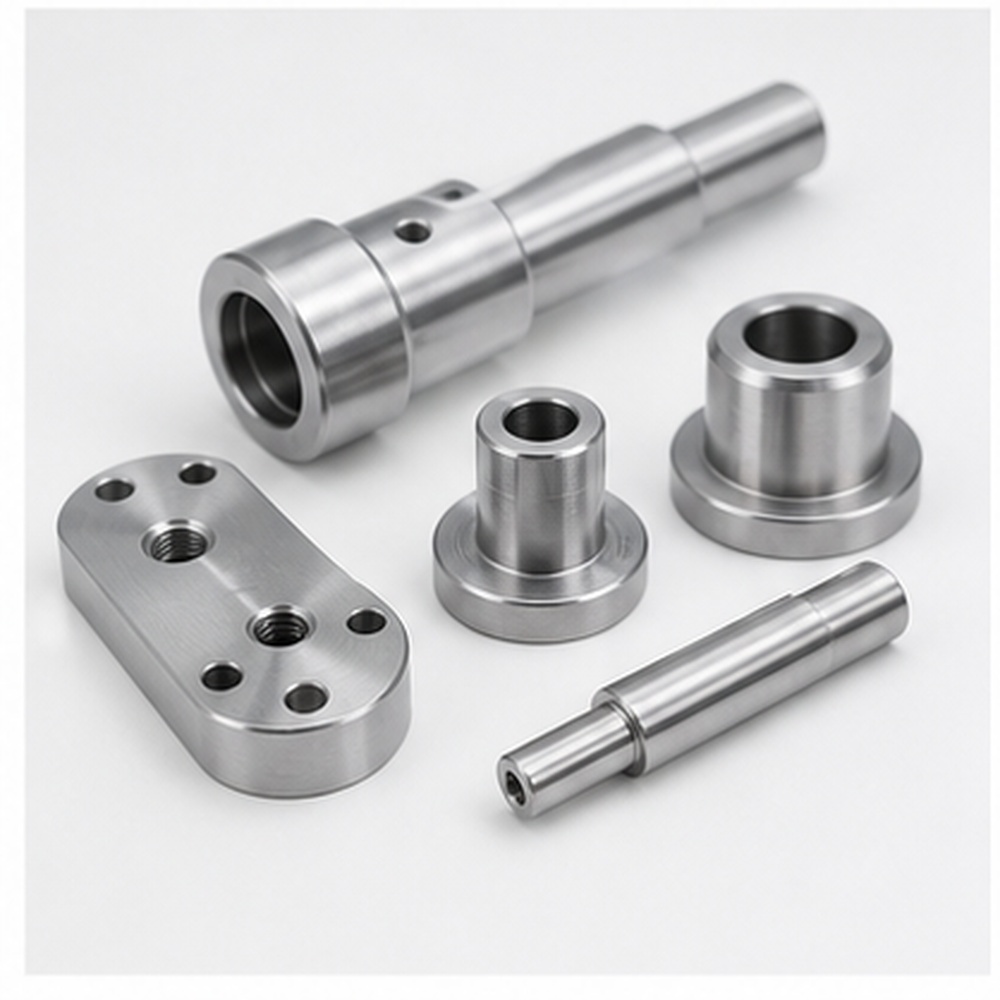
Shafts, sleeves and spacers
Custom machined shafts, sleeves and spacers manufactured according to drawing, material, tolerance and finish requirements.
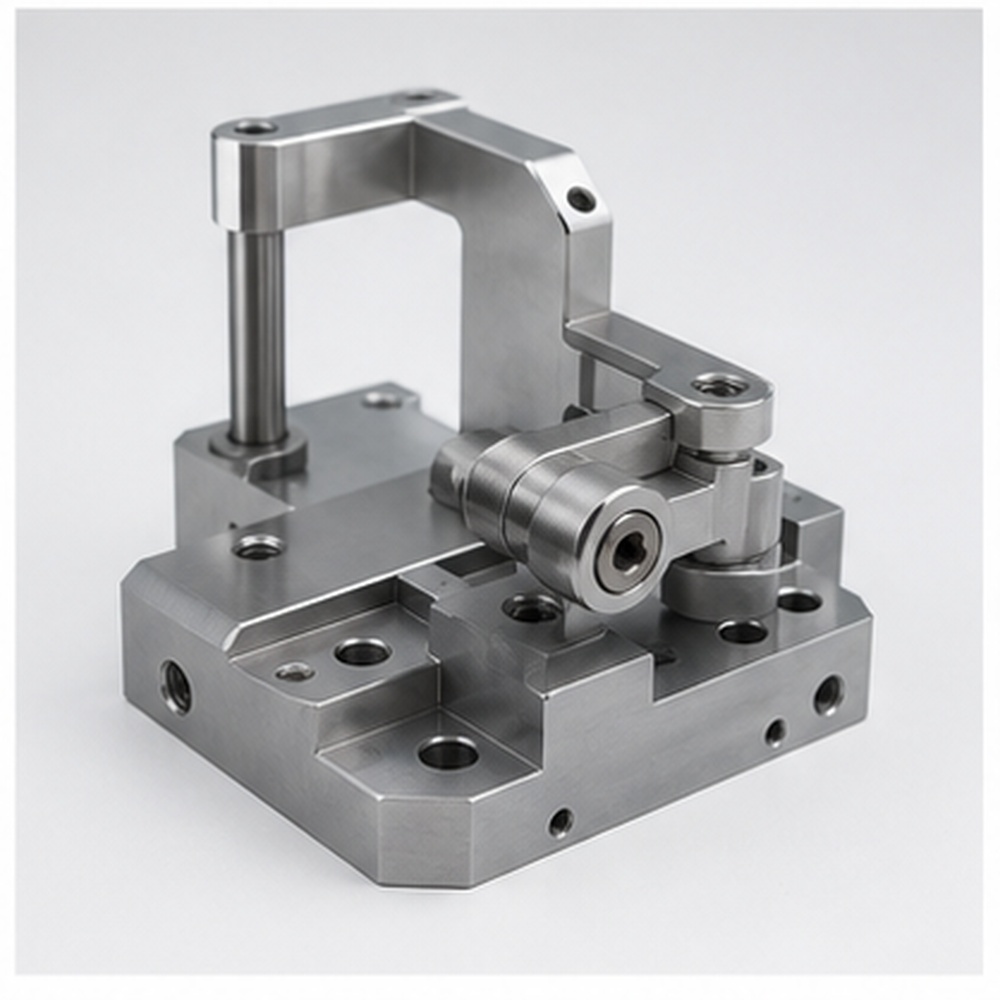
Automation fixture components
Custom machined automation fixture components manufactured according to drawing, material, tolerance and finish requirements.
Materials for Robotics Machined Parts
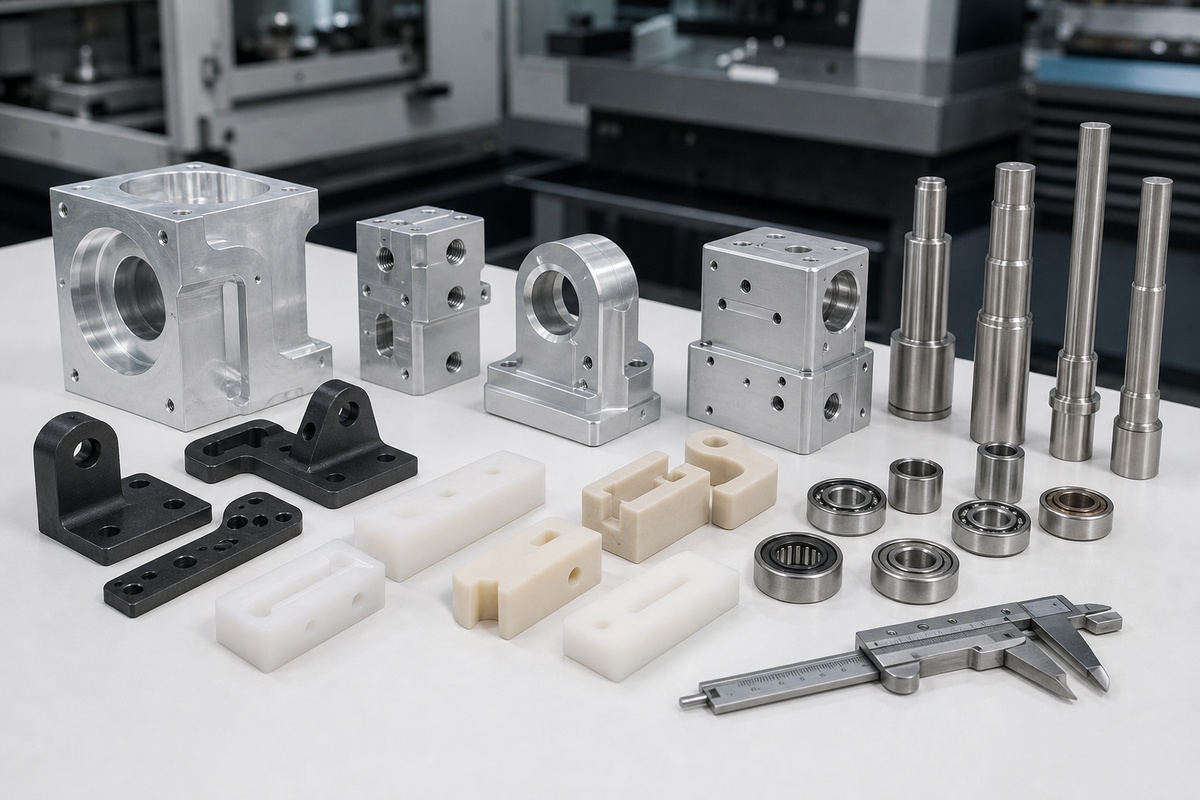
Material selection affects weight, strength, corrosion resistance, conductivity, surface finish and long-term assembly stability. The table below helps buyers compare common material choices for robotics precision components.
| Material | Best For | Notes |
|---|---|---|
| Aluminum 6061 / 7075 | Lightweight robot arms, frames and actuator housings | Confirm final grade, heat treatment and finish according to drawing and application environment. |
| Stainless Steel | Wear-resistant shafts, pins and structural parts | Confirm final grade, heat treatment and finish according to drawing and application environment. |
| Carbon Steel | Strong brackets, fixtures and support components | Confirm final grade, heat treatment and finish according to drawing and application environment. |
| POM / PEEK / Nylon | Low-friction guides, insulating parts and custom motion components | Confirm final grade, heat treatment and finish according to drawing and application environment. |
Surface Finishing Options for Robotics Components
Surface finishing should be selected according to material, assembly environment, appearance requirements and functional performance. K-TEK can coordinate machining and post-processing so finished parts meet both dimensional and visual expectations.
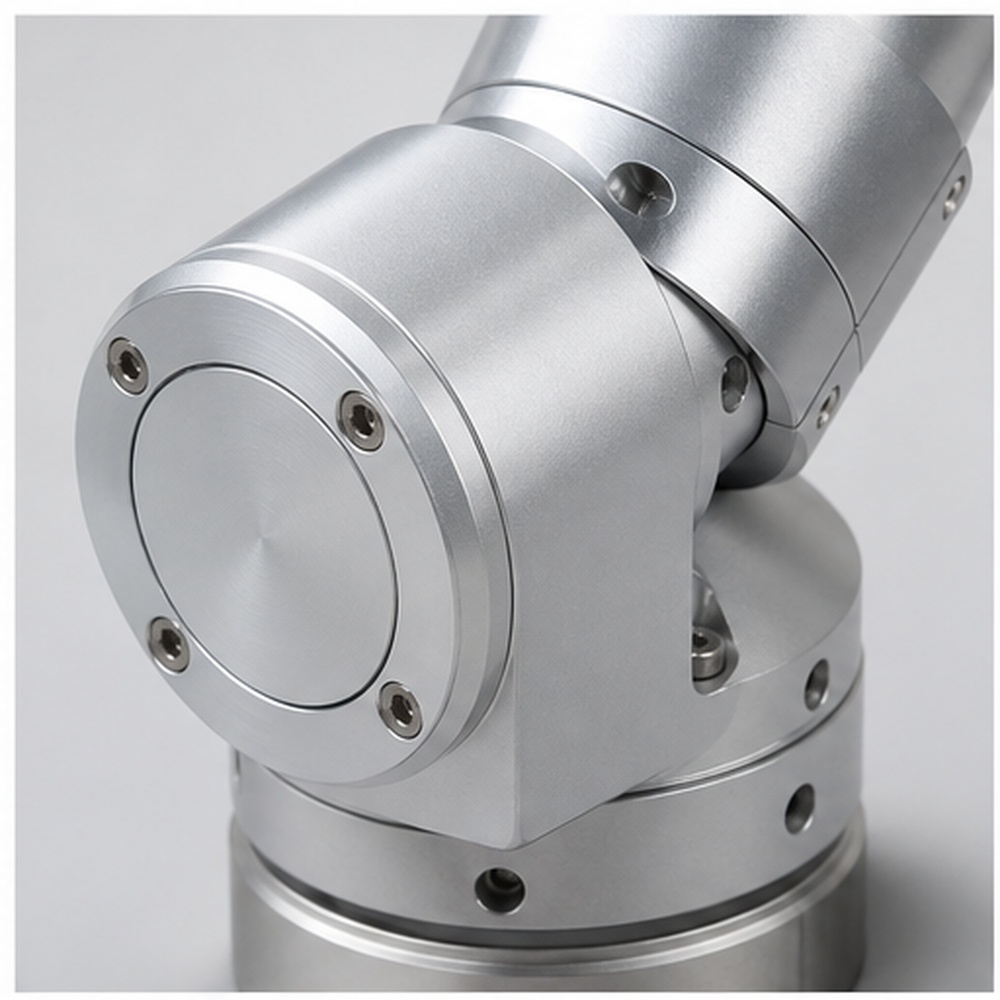
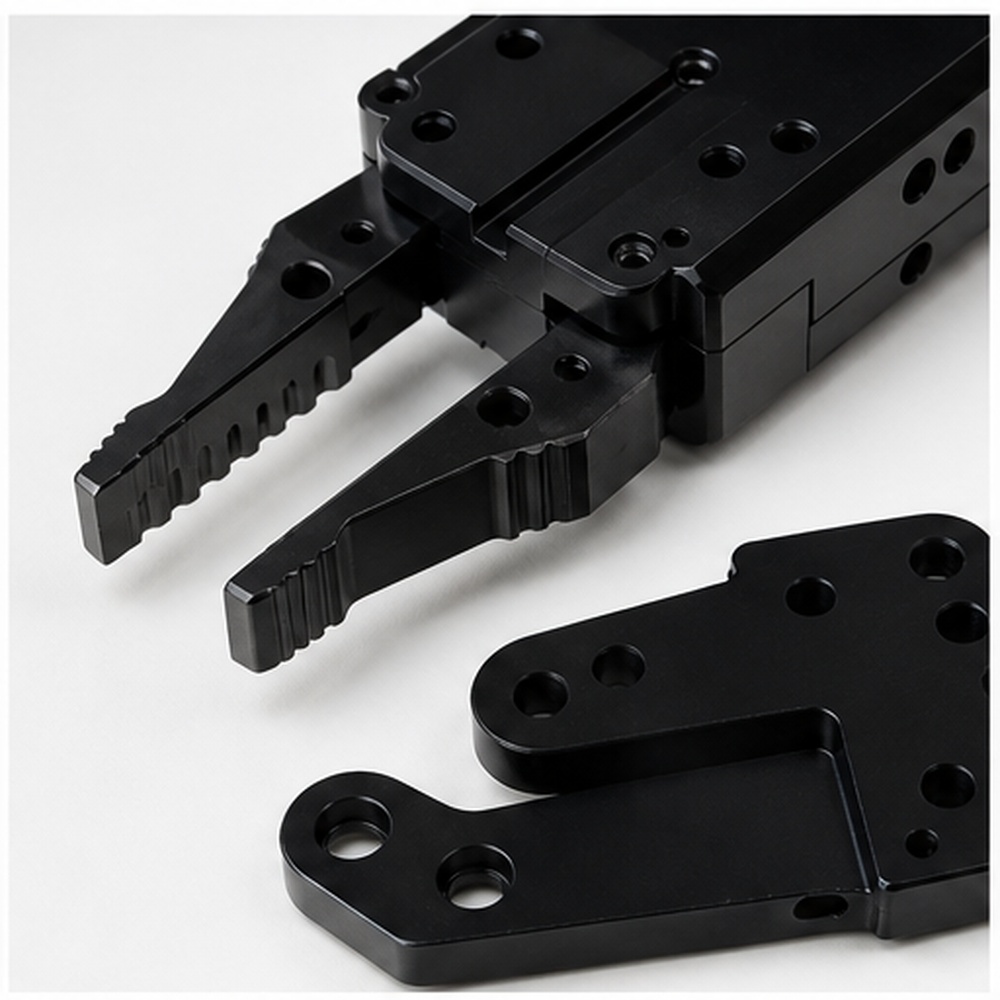
Clear or black anodizing
Use clear or black anodizing when the project requires matching protection, appearance or functional performance for robotics parts.
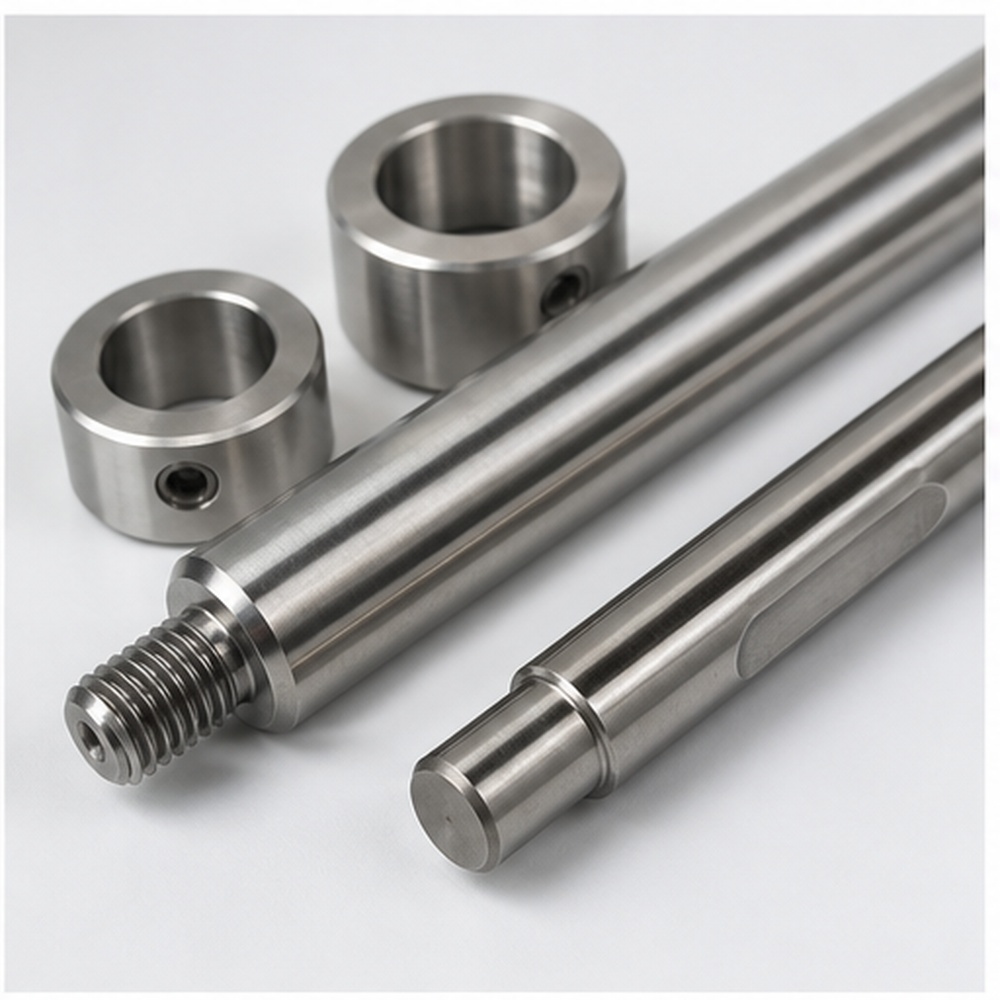
Hard anodizing for sliding or wear surfaces
Use hard anodizing for sliding or wear surfaces when the project requires matching protection, appearance or functional performance for robotics parts.
Nickel plating for corrosion resistance
Use nickel plating for corrosion resistance when the project requires matching protection, appearance or functional performance for robotics parts.
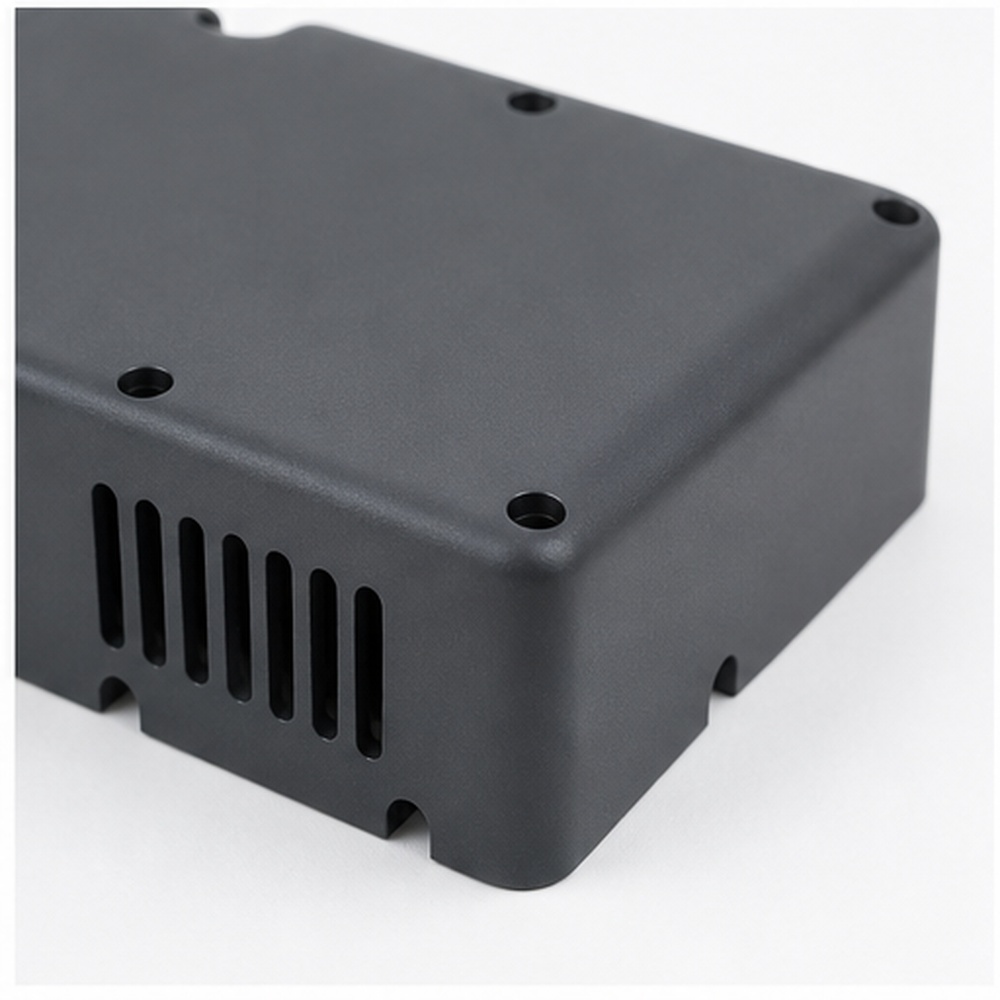
Powder coating for equipment covers
Use powder coating for equipment covers when the project requires matching protection, appearance or functional performance for robotics parts.
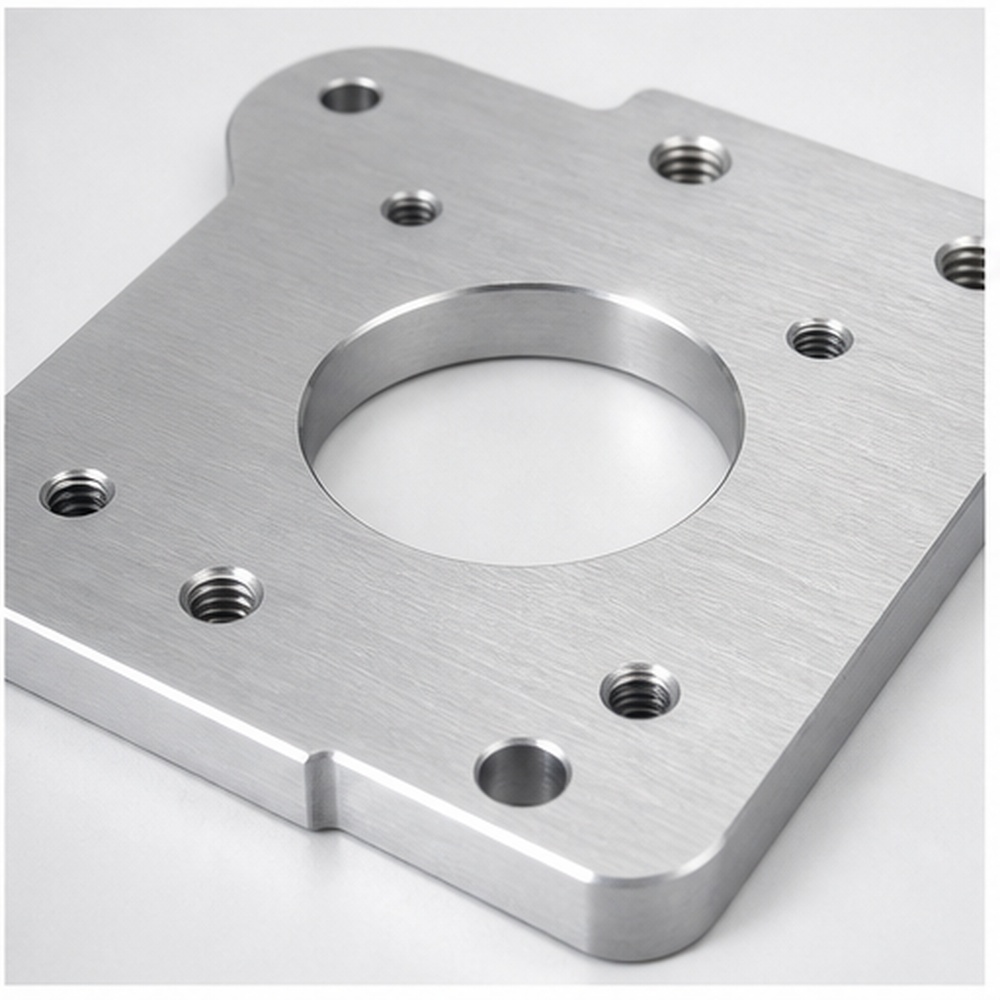
Polishing or brushing for visible metal components
Use polishing or brushing for visible metal components when the project requires matching protection, appearance or functional performance for robotics parts.
Quality Assurance for Robotics Precision Parts
Quality control should focus on the dimensions and surfaces that affect final assembly. K-TEK checks critical tolerances, hole positions, surface condition and finish quality before parts are packed for delivery.
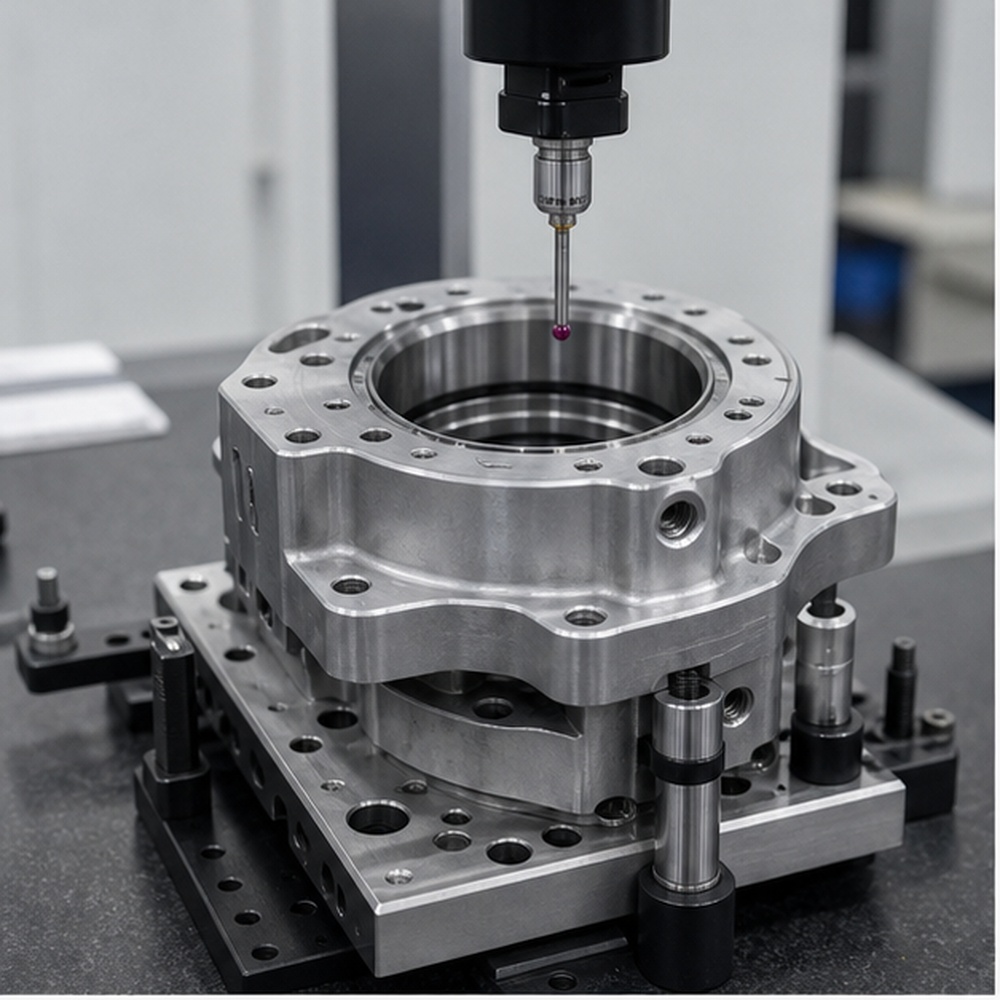
Bearing seat and hole position inspection
Bearing seat and hole position inspection is controlled according to drawing requirements and project-specific inspection points.
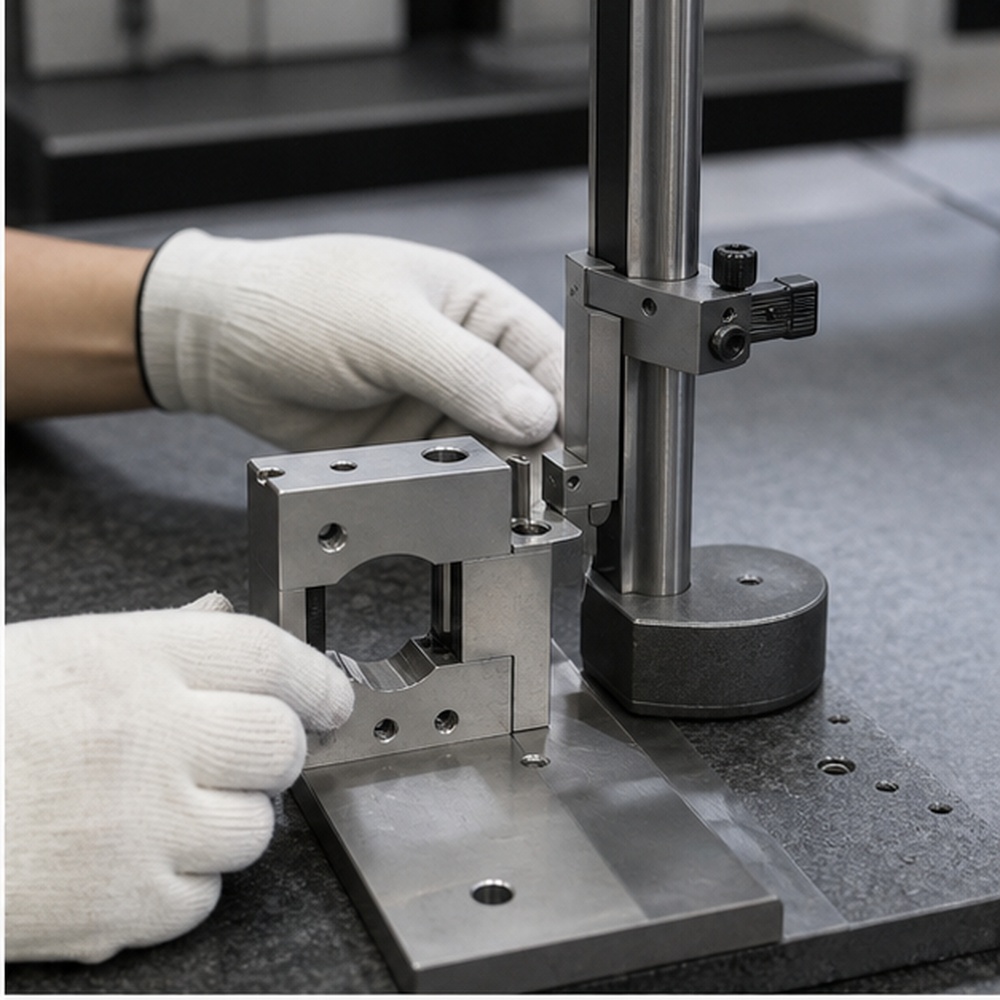
Flatness and parallelism checks for mounting faces
Flatness and parallelism checks for mounting faces are controlled according to drawing requirements and project-specific inspection points.
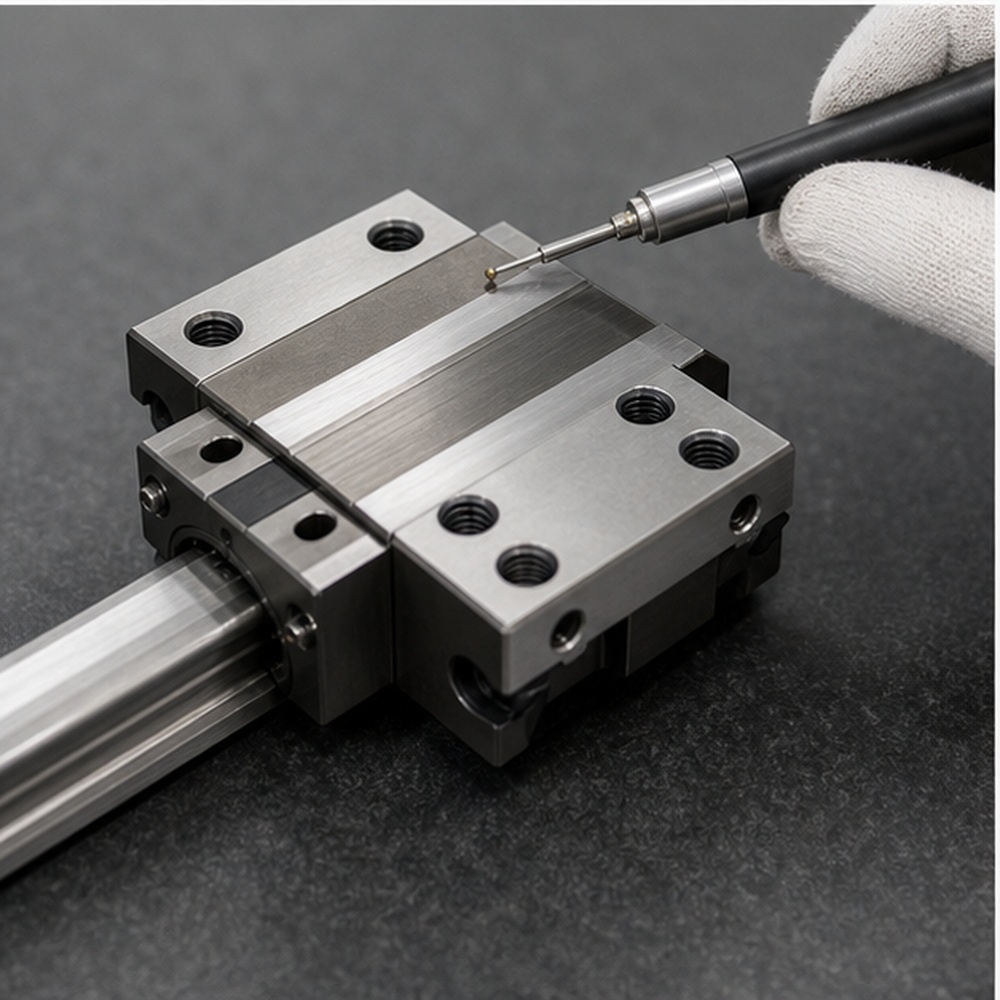
Surface roughness inspection for sliding features
Surface roughness inspection for sliding features is controlled according to drawing requirements and project-specific inspection points.
Thread and assembly interface verification
Thread and assembly interface verification is controlled according to drawing requirements and project-specific inspection points.
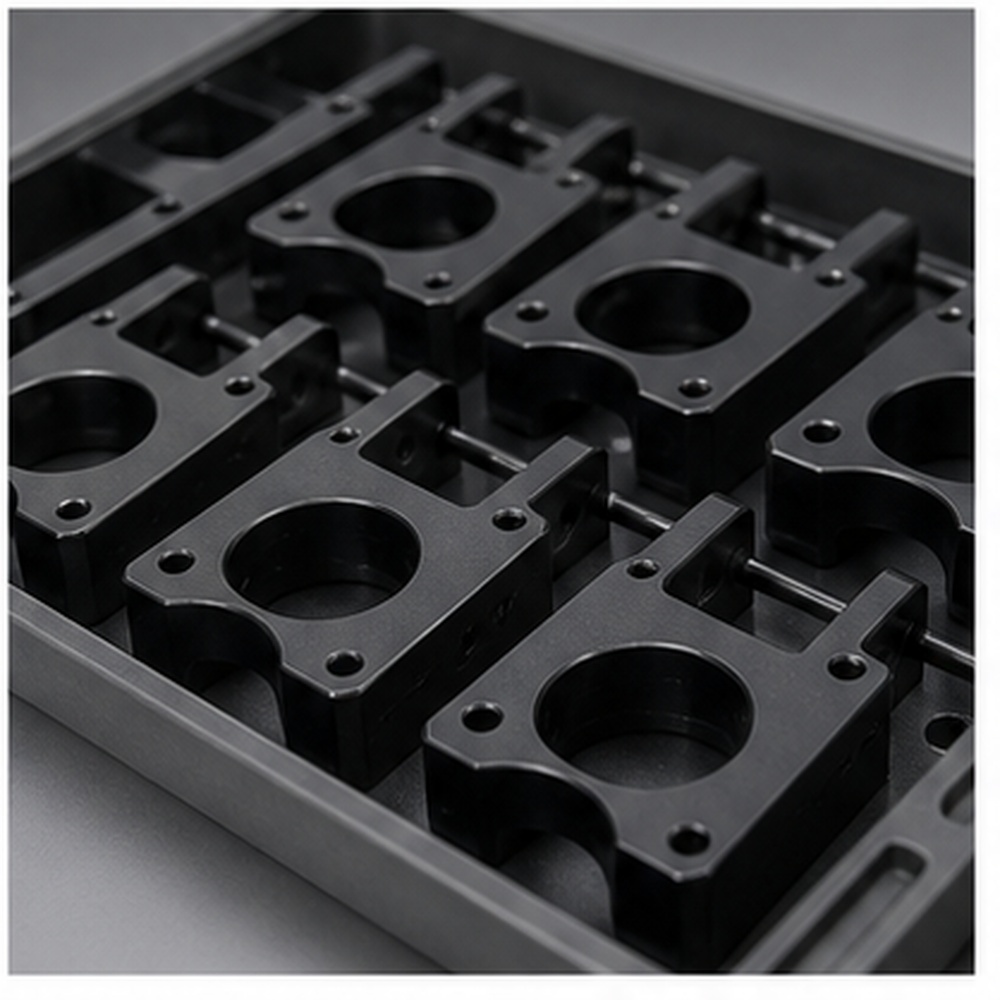
Sample approval before repeated batch production
Sample approval before repeated batch production is controlled according to drawing requirements and project-specific inspection points.
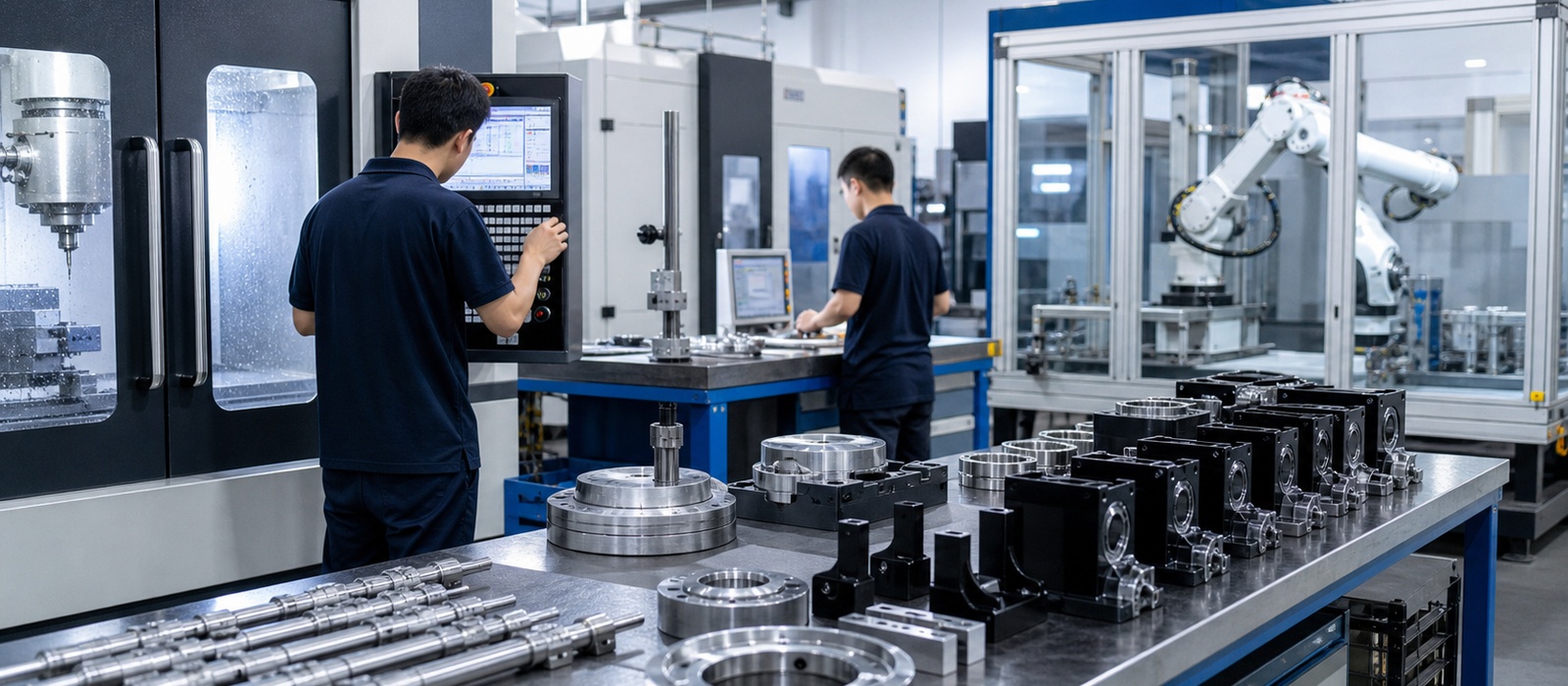
Factory Strength for Robotics Parts Manufacturing
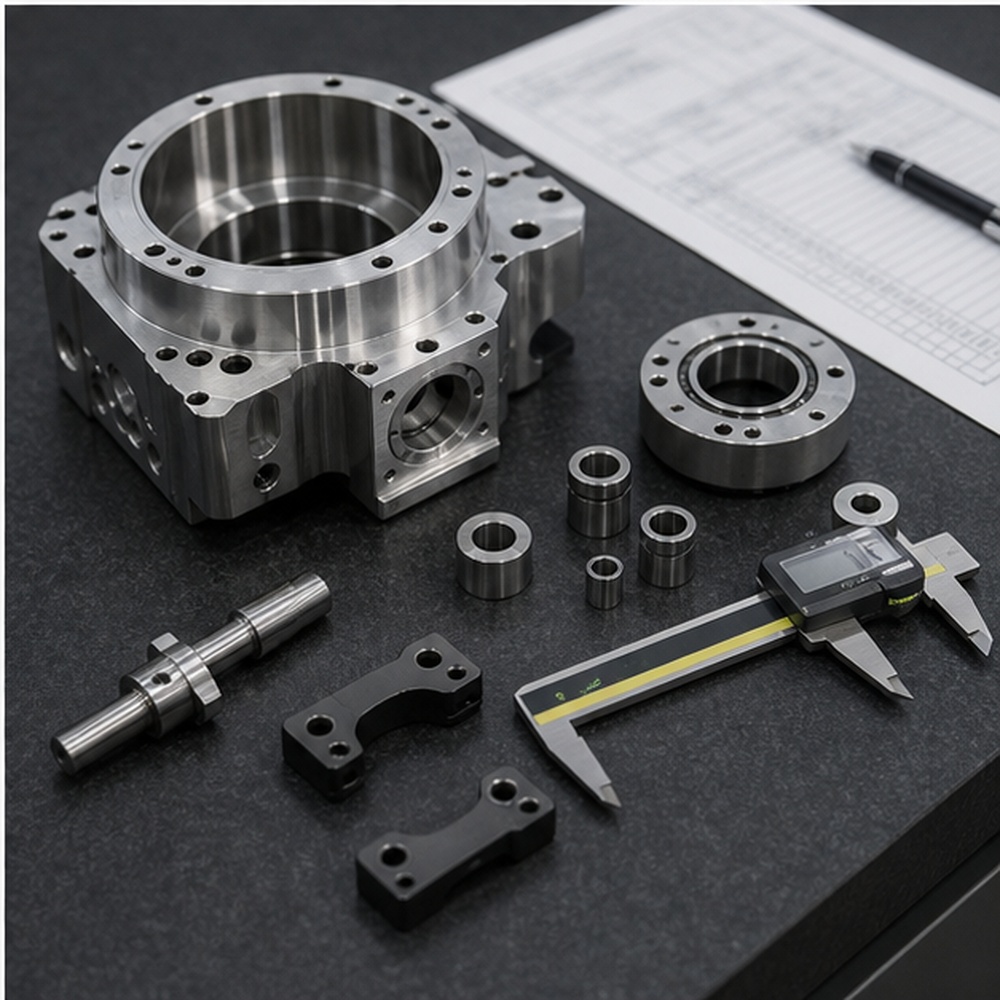
K-TEK presents production capability through real machining, inspection, material staging and finished part images rather than generic stock visuals. CNC milling centers, turning machines, assembled robotic part groups and inspection scenes with calipers or CMM show how robotics precision parts are manufactured and verified before delivery.
Robotics Manufacturing Case Studies
Case cards show the machining process, material, finish and inspection value behind real robotics components. Each study is concise but specific enough to support SEO and GEO answer extraction.
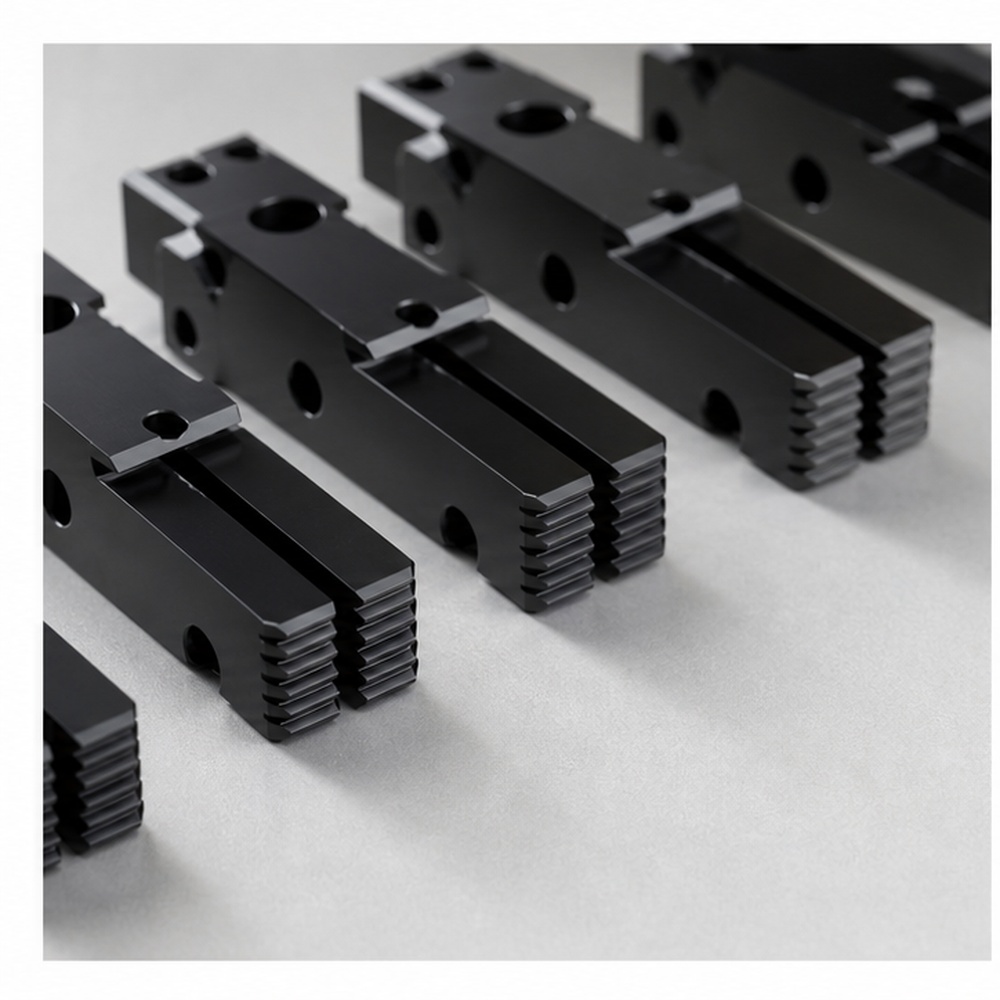
Robot Gripper Jaw Batch
CNC milled aluminum gripper jaws with controlled gripping surfaces, threaded holes and hard anodized finish for repeated operation.
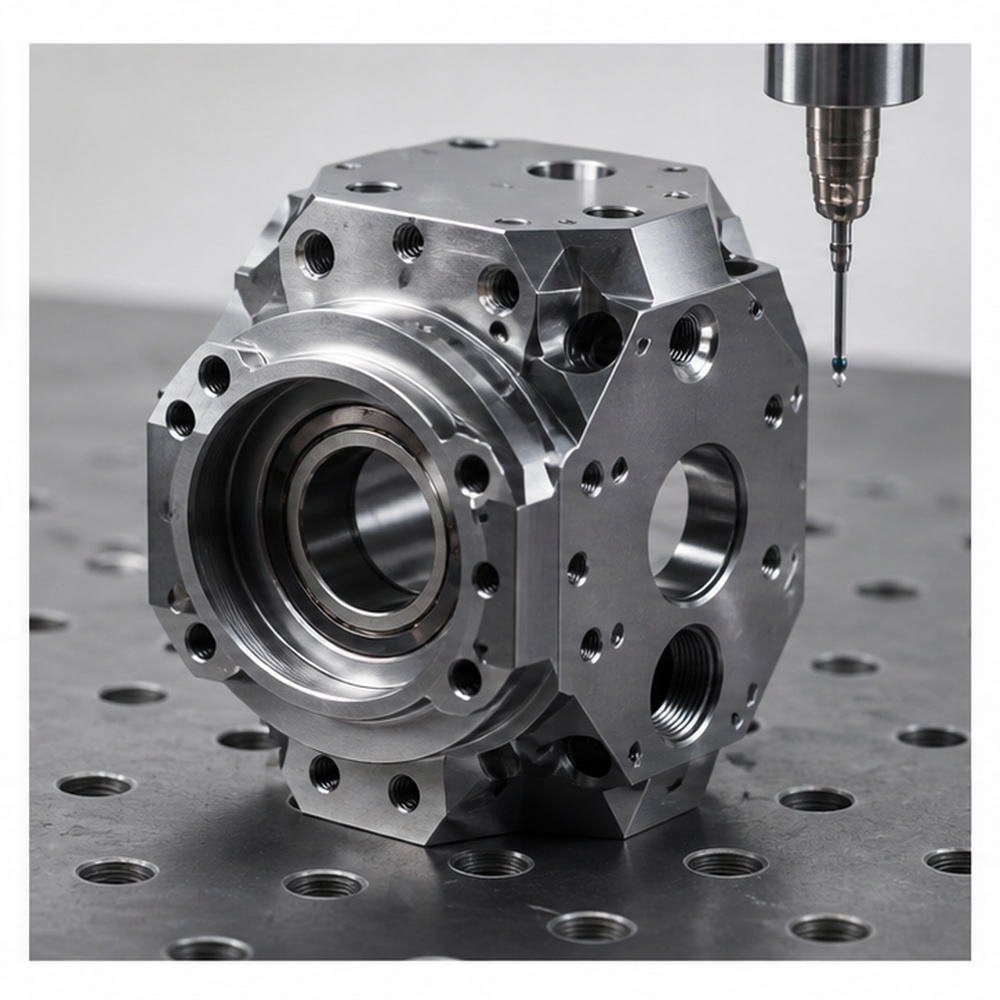
Actuator Housing Prototype
5-axis machined housing with compact multi-side features, bearing seat control and post-machining inspection.
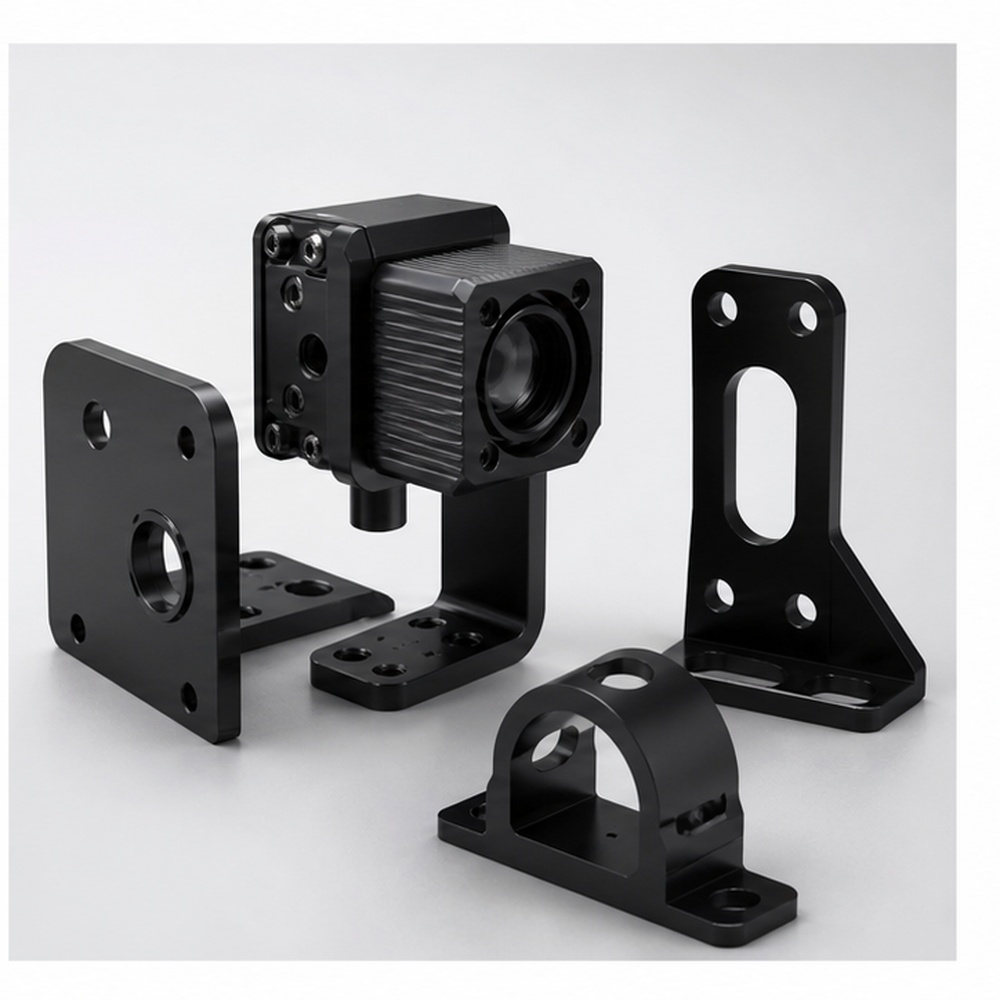
Automation Sensor Bracket Set
Small-batch brackets machined with consistent hole position and black anodizing for machine vision equipment.
FAQs About Robotics Precision Machining
FAQ should answer real buyer questions about materials, tolerances, prototype support, inspection and surface finishing. Use visible accordion content and add FAQPage structured data.
Can you machine robot arm and gripper components?
Yes. We can produce robot arms, joints, gripper jaws, actuator housings and motion-related brackets from drawings or 3D files.
What tolerances are important for robotics parts?
Bearing seats, coaxiality, hole position, flatness, parallelism and threaded interfaces are usually critical for robot assemblies.
Can you support prototype changes?
Yes. We can machine early samples and adjust later batches after design review or motion testing.
Which materials are common for robotic components?
Aluminum, stainless steel, carbon steel, POM, PEEK and nylon are frequently used depending on weight, strength and friction needs.


