

What Is Carburizing Treatment?
Carburizing is a thermochemical case-hardening process that diffuses carbon into the surface of low-carbon steel. The part is heated above its transformation temperature in a carbon-rich atmosphere or controlled low-pressure environment. Carbon diffuses inward to form a carbon-enriched case; its depth depends on the steel grade, temperature, time, carbon potential and geometry.
Carburizing enriches the surface but does not, by itself, produce the final hardness. A subsequent hardening and quenching step develops the hard case, usually followed by tempering. The core retains a lower carbon content and can provide toughness, although its properties depend on alloy and heat treatment. Conventional atmosphere carburizing often runs around 900–950°C; the actual cycle is process-specific. Low-pressure carburizing is another option. Carbonitriding is different because it adds nitrogen as well as carbon.
Key Properties and Design Considerations
Carburizing suits components needing a hard, wear-resistant surface with a tougher core. Common applications include gears, shafts, axles and spindles under repeated contact or impact. Case depth is controlled mainly by temperature, time and carbon potential; deeper cases require longer cycles. Low-carbon alloy case-hardening steels such as 16MnCr5, 20MnCr5 and AISI 8620 are often used, subject to the drawing and material standard.
The main design risk is distortion. High temperature can release residual stresses, and quenching adds thermal and transformation stresses. Geometry, section changes, support and quench conditions all matter. Specify effective case-hardening depth (CHD), surface hardness and core hardness. ISO 18203:2026 defines CHD by a 550 HV limit under its stated conditions; alternative limits should be agreed where applicable. State the hardness scale, test load and final heat-treated condition.
Example One: Carburized Gears and Transmission Shafts
Transmission gears, pinions and drive shafts face repeated rolling, sliding and impact loads. A carburized case can improve resistance to wear, pitting and contact fatigue, while a tougher core supports the surface under torque and shock. Identify the tooth flanks, roots, bores, splines and bearing seats that control function. The drawing should define case depth, final tooth geometry, runout and any areas to remain untreated.
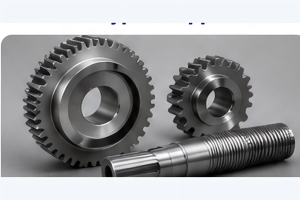 Figure 1. Illustrative gears and shafts for carburizing applications.
Example Two: Carburized Mould and Die Components
Selected low-carbon alloy steel mould inserts, die components and tooling elements may benefit from carburizing when their working surfaces face repeated contact, sliding or impact. A hardened case can improve wear resistance while the core supports the loads applied during service. Suitability depends on the steel grade, section size and target case depth; not every tool steel is suitable. Review thin sections, sharp edges, internal features and masking requirements before approving the treatment.
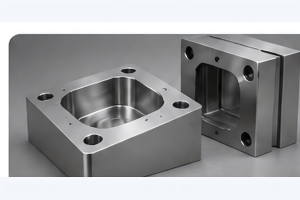
Figure 2. Illustrative mould and die components for carburizing applications.
Example Three: Carburized Guide Pins and Bushings
Guide pins, sleeves and bushings may be carburized when their contact surfaces need better wear resistance and the steel can develop the required case. Performance also depends on lubrication, mating-part material and clearance. Mark treated and masked surfaces on the drawing, then check roundness, straightness, concentricity, bore size and surface finish after heat treatment.
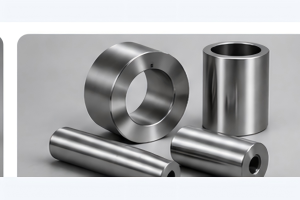
Figure 3. Illustrative steel guide pins, sleeves and bushings. AI-generated image;
What to Consider When CNC Machining Parts for Carburizing
Plan machining and heat treatment together. Confirm the steel grade and prior condition; rough-machine first and consider stress relief where appropriate. Leave a defined allowance for post-quench grinding or hard machining, since excessive stock removal can reduce the effective case. Avoid abrupt section changes and sharp internal corners. Identify datums, fits and thin features, and agree how parts will be supported and quenched. Measure critical dimensions before and after treatment to assess movement.
Inspection may include surface and core hardness, CHD on a prepared cross-section, microstructure where specified, and final runout, roundness, straightness or tooth geometry. Use a representative coupon when destructive case-depth testing is required.
What to Send for an Engineering Review
Please provide the 2D drawing and 3D model, material grade and standard, quantity, and prior heat-treatment condition. Specify surface and core hardness, effective case depth, applicable standard, test load and final condition. Mark treated and masked areas, critical dimensions, tolerances, surface finish and finishing allowance. Operating loads, mating-part details and required inspection reports are also useful.
Discuss Your Carburized Component with K-TEK
K-TEK provides custom CNC milling, turning and dimensional inspection for industrial components. To discuss a carburized part, send your drawings, material details and treatment requirements to k-teksales8@ktekpart.com. Material suitability, final tolerances and inspection records should be reviewed for the specific project.
Author Information
Writer: Caylin | Date: November 11, 2026
Email: k-teksales8@ktekpart.com | Web: www.k-tekmachining.com
References: Bodycote, Atmospheric carburising and Low pressure carburising; ISO 18203:2026, Determination of surface-hardened layer thickness. The agreed drawing and process specification govern acceptance.
Post time: Nov-12-2026


