Customized CNC Turning Services
CNC turning is a machining process that involves the use of computer numerical control (CNC) machines to create cylindrical or round parts. The process utilizes rotating cutting tools to remove material from a workpiece.
1.Precision
2.Flexibility
3.Efficiency
4.Consistency
5.Wide Material Range
6.Design Modifications
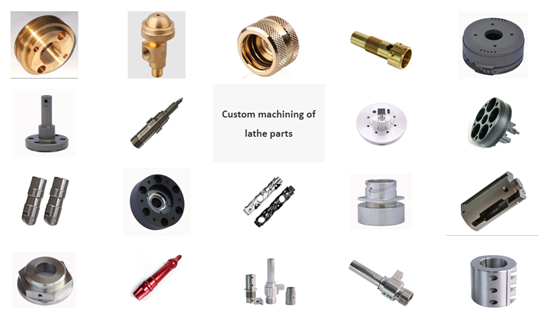
CNC Turning processing method
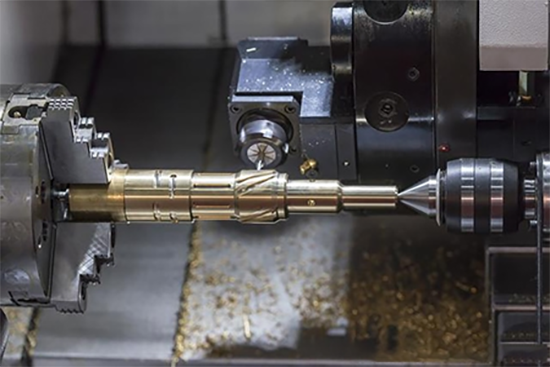
CNC turning is a machining process where a cutting tool is used to remove material from a rotating workpiece. This process is commonly used to create cylindrical parts with rotational symmetry. Here is a step-by-step overview of the CNC turning process:
● Design and Programming: Start by designing the part using CAD (Computer-Aided Design) software. Once the design is finalized, the program is created using CAM (Computer-Aided Manufacturing) software. The program contains all the necessary instructions for the CNC machine to perform the turning operations.
● Set up the Machine: Mount the workpiece onto the lathe's spindle, ensuring it is securely held in place. Adjust the tools, tool holders, and other components to the appropriate positions.
● Tool Selection: Choose the appropriate cutting tool based on the material being machined and the desired specifications. This includes considerations like tool geometry, material type, and cutting speed.
● Setting Parameters: Input the necessary parameters into the CNC control system, such as cutting speed, feed rate, tool positions, and depth of cut. These parameters will depend on the material properties and machining requirements.
● Start the Machining: Once the setup and tool selection are complete, the machining process can begin. The CNC machine will follow the programmed instructions to rotate the workpiece and bring the cutting tool into contact with the material.
● Roughing: In the roughing stage, the cutting tool removes large amounts of material to shape the workpiece to the desired dimensions. This process removes excess material and creates the basic shape of the part.
● Finishing: After roughing, the machining process moves to the finishing stage. Finishing cuts remove smaller amounts of material to achieve the final shape, dimensions, and surface finish requirements.
● Cutting Fluid: Throughout the turning process, cutting fluid, such as coolant or lubricant, may be used to reduce friction, dissipate heat, and improve chip evacuation. This helps prolong tool life and improves the surface finish of the workpiece.
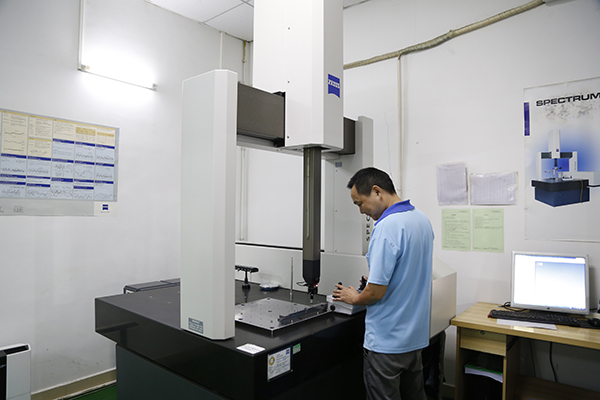
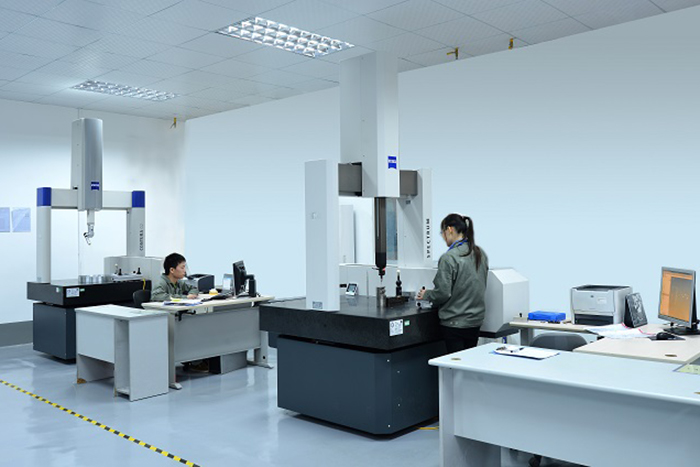
● Quality Control: Periodically inspect the workpiece to ensure it meets the specified tolerances and surface finish requirements. Make any necessary adjustments or optimizations to the machining process if required.
● Unload the Finished Part: Once the turning process is complete, remove the finished part from the machine. Inspect the part for any defects or imperfections and perform any necessary post-machining operations, such as deburring or polishing.
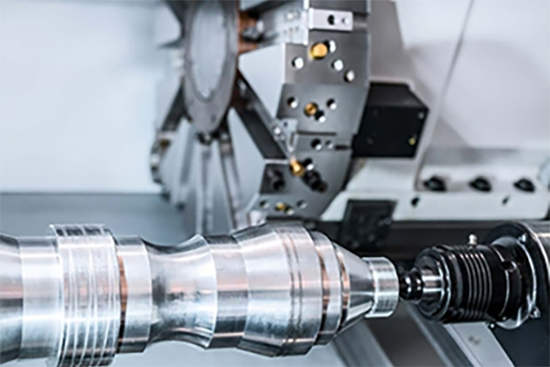
Customized CNC turning services offer several benefits
Precision: CNC turning machines are highly accurate and can produce parts with tight tolerances. This ensures that the finished parts meet the required specifications and have consistent dimensions.
1.Flexibility: CNC turning is a versatile process that can be used to produce a wide range of part sizes and shapes. It can handle both small and large production runs, making it suitable for various applications.
2.Efficiency: CNC turning is a highly efficient process that allows for fast and precise production. The automated nature of CNC machines eliminates the need for manual labor, reducing production time and costs.
3.Consistency: CNC turning ensures consistent and repeatable results, regardless of the volume of production. This is particularly important for industries that require high-quality and reliable parts.
4.Wide Material Range: Customized CNC turning services can work with a variety of materials, including metals (such as aluminum, steel, and titanium), plastics, and composites. This provides versatility in material choice for different applications.
5.Design Modifications: CNC turning allows for easy design modifications and adjustments. The CNC program can be updated or modified to accommodate any changes in design specifications or requirements.
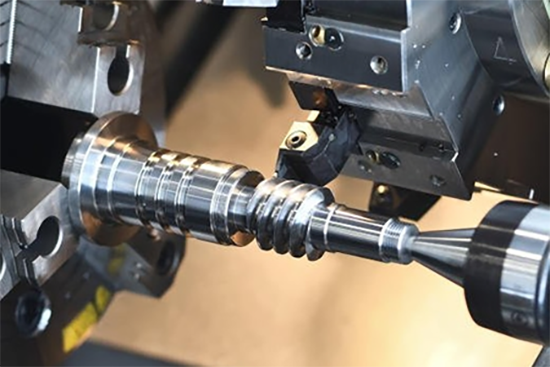
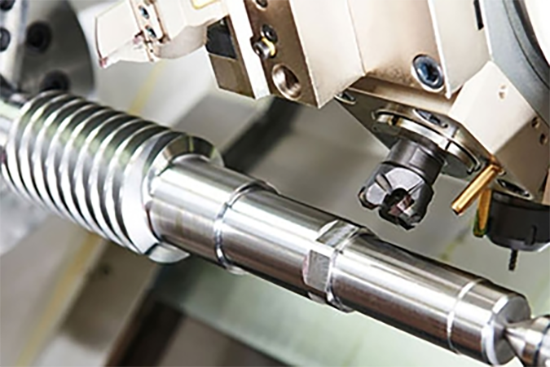
Customized CNC turning services can be applied in various industries, including automotive, aerospace, medical, and electronics. Some common applications include producing shafts, pins, connectors, threaded parts, and other cylindrical components.
In summary, customized CNC turning services offer precise, efficient, and versatile machining capabilities. By leveraging the capabilities of CNC turning machines, it is possible to produce high-quality, customized parts with speed and accuracy.
Why us
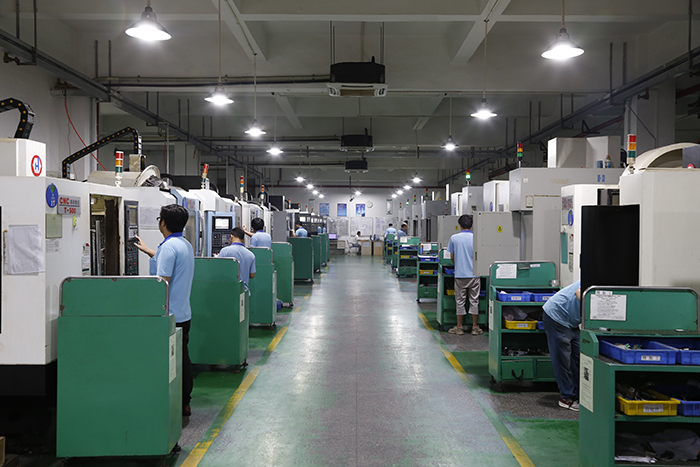
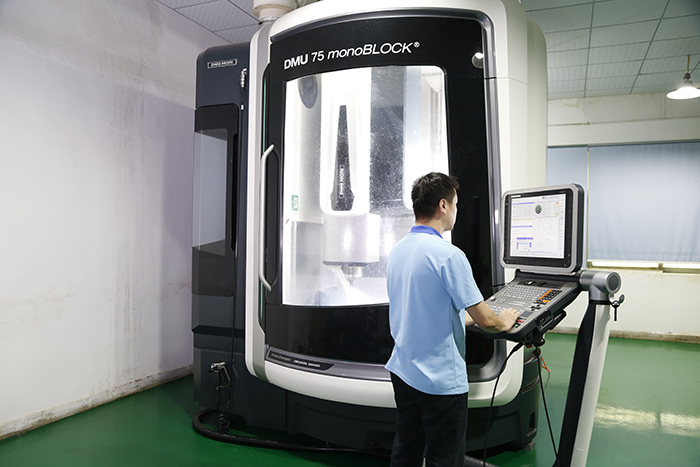
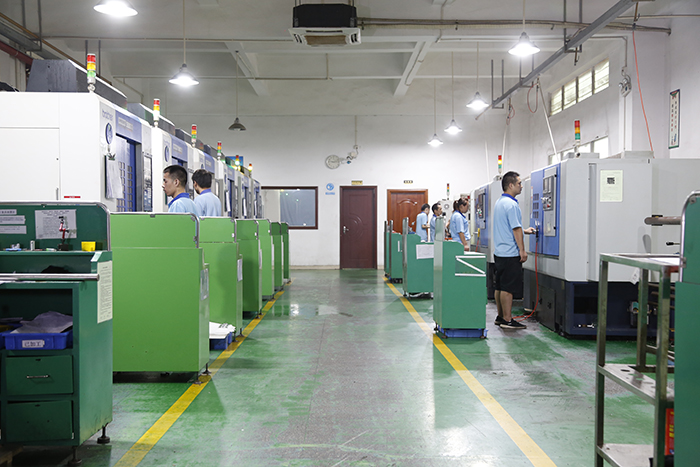
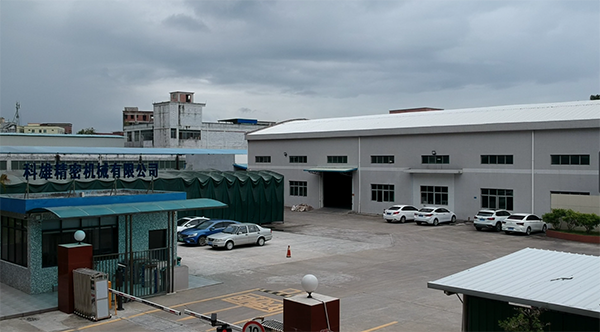
K-TEK has advanced processing equipment, excellent engineering team, and efficient operation mode. It provides customers with high-quality and efficient CNC turning services at competitive prices, and transforms meticulous engineering design drawings into various precision parts.
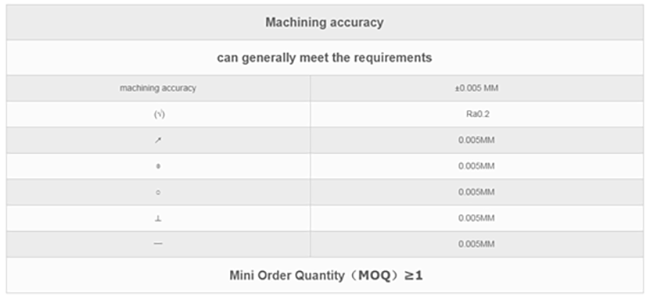
Custom Turning Parts Precision Requirements
CNC turning is a highly versatile process used in various industries, including automotive, aerospace, medical, and general manufacturing. It offers precise and efficient production of cylindrical parts, allowing for complex shapes, tight tolerances, and high-quality surface finishes.