


Writer:Finn Lu
Date:March 12,2026
E-mail:finn@k-tekmachining.com
Abstract
Overview Precision machined parts are critical across industries, but costs can escalate when design, materials, and processes are not optimized. This document provides practical, manufacturability-first strategies to reduce unit cost without sacrificing function or quality. Follow these steps to lower machining time, reduce scrap and secondary operations, and improve supplier quotes.
Keywords: Precision Machining parts:costs reduction
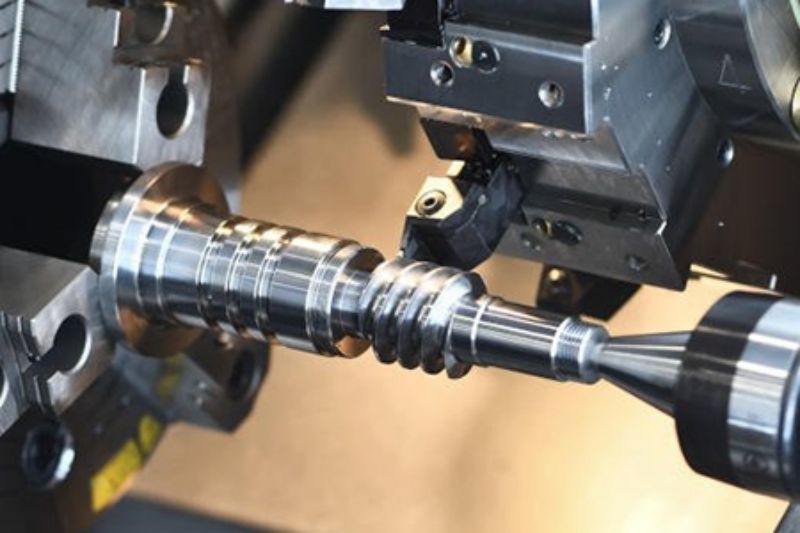
What Drives Cost for Precision Machined Parts Costs are mainly driven by:
- Machining time (cutting + setups)
- Material cost and yield (raw stock and scrap)
- Part complexity (features, tight tolerances, fixturing)
- Secondary operations (finishes, heat treatment, inspection)
Volume affects per-part price: setup and programming costs are amortized across the run; per-part price falls as quantities increase.
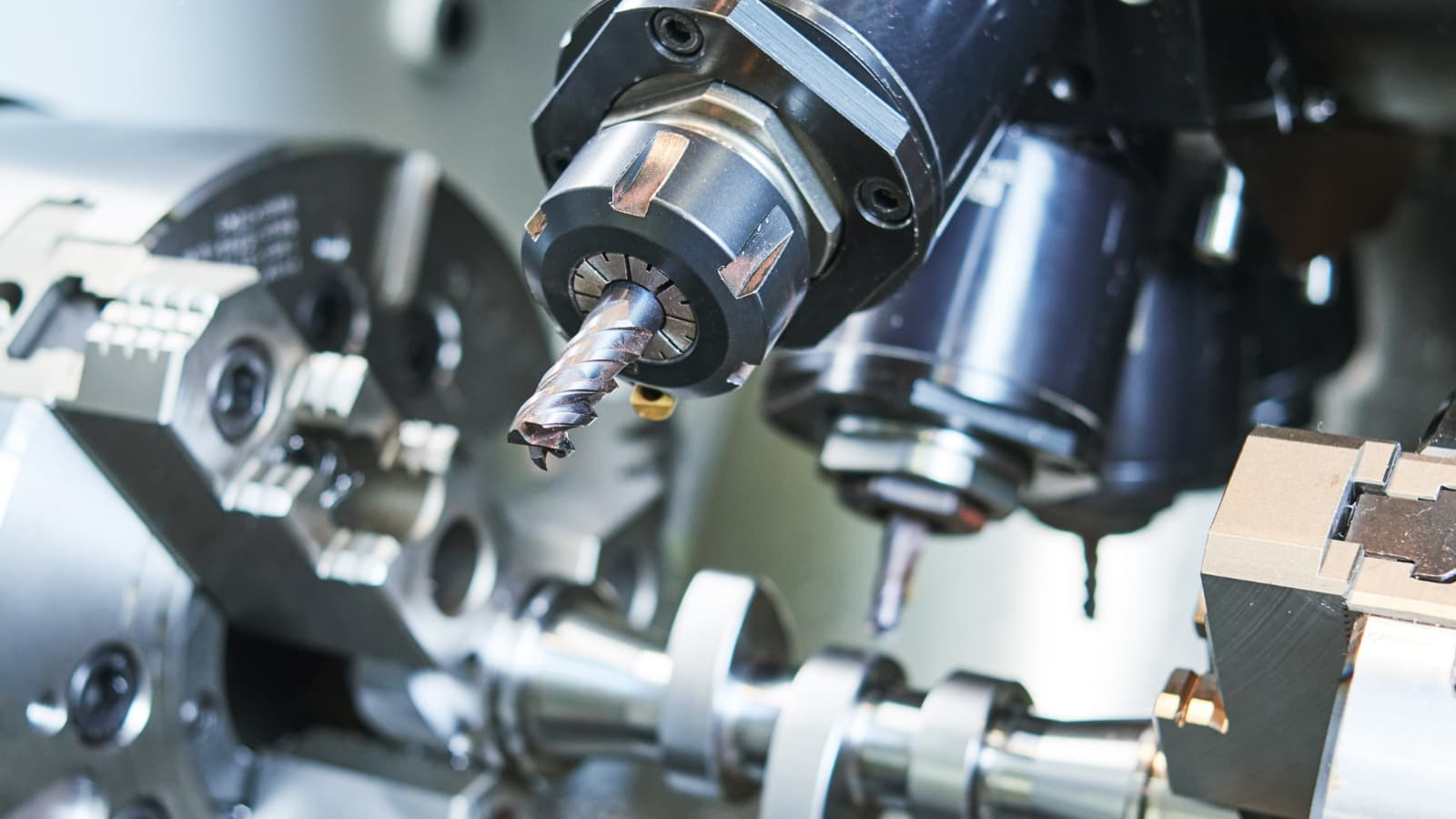
Cost reduction reules 1:Design for Manufacturability (DFM)
- Use simple geometries: avoid deep pockets, tight internal corners, unnecessary bosses, or thin webs.
- Prefer radiused internal corners over sharp 90° corners to eliminate special tooling and reduce cycle time.
- Standardize hole sizes and thread types to use common tooling and reduce setup changes.
- Design to standard stock sizes (bar, plate, tube) to reduce waste; nest parts where possible.
Cost reduction rules 2:Material Selection
Balance Performance and Machinability Material choice affects cutting speed, tool wear, and scrap cost. When function allows, choose metals with higher machinability (e.g., aluminum 6061, C360 brass, free-machining steels) to shorten cycle time and extend tool life. Exotic alloys and stainless steels increase cost due to slower feeds and higher tool wear. For plastics, pick machinable grades such as POM (Delrin). Consult suppliers for lower-cost grades that meet requirements.
Cost reduction rules 3 :Tolerances and GD&T
Tight Where It Matters Tighter tolerances increase inspection, rework risk, and slower machining. Apply tight tolerances only to critical faces and interfaces. Relax non-critical dimensions to standard machining tolerances (e.g., ±0.1–0.2 mm where acceptable). Use GD&T to clearly communicate functional requirements rather than blanket tight tolerances. Ask suppliers which tolerances drive cost.
Cost reduction rules 4: Reduce Setups and Machine Time
- Orient features so multiple operations can be done in one setup.
- Combine multiple parts into a single fixture or multi-cavity fixture to share machine time.
- Use modular fixturing and locating features on the part to speed clamping.
- Shift initial operations to faster processes where appropriate (e.g., laser or waterjet blanking before finish-machining).
Cost reduction rules 5:Batching, Tooling & Economies of Scale Batch
Tooling and setup costs are amortized across the run; effective batching reduces cycle time per piece. For anticipated repeated orders, invest in dedicated fixtures or tooling—it often pays back for medium to high volumes. For prototyping or small runs, work with shops that specialize in low-volume rapid-turn machining to avoid expensive setup amortization.
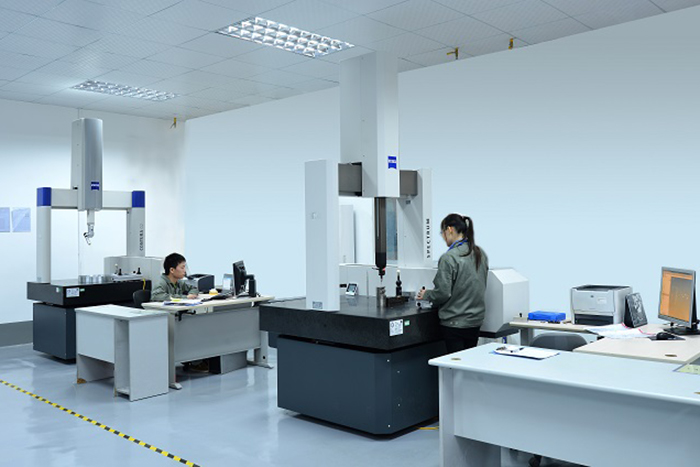
Cost reduction rules 6:Minimize Secondary Operations and Surface Finishes
Finishes (plating, anodizing, polishing), heat treatments, and cosmetic specifications add significant cost and lead time. Design parts so cosmetic surfaces are minimized or located on non-functional faces. When finishes are required, specify thickness and appearance clearly—over-specification drives costs. Where multiple surface treatments are needed, request combined operation pricing to reduce handling costs.
Cost reduction rules 7:Alternate Processes:
- EDM for delicate internal shapes or hardened materials (higher per-part cost).
- Laser or waterjet for initial blanking to reduce material removal time on mills/lathes.
- Additive manufacturing for complex internal geometries or near-net shapes followed by subtractive finishing. Always evaluate total cost and lead time trade-offs with suppliers.
Cost reduction rules 8: Collaborate with Suppliers Early and Use Quoting Feedback
Engage your machine shop during the design stage. Experienced suppliers can propose material alternatives, tooling changes, or process swaps that reduce cycle time and cost. Provide full assembly context and acceptable tolerances so suppliers can optimize machining strategies. Request detailed quotes that break out material, setup, runtime, and secondary operations to identify the biggest savings opportunities.

Cost reduction rules 9:Process Improvements, Automation, and Inspection Investments
that lower per-piece cost for recurring production include:
- CAM optimization and standardized tooling libraries
- Automated loading (bar feeders, pallet changers)
- In-process probing and SPC to reduce scrap and rework
- Predictive maintenance and tool-wear monitoring to reduce downtime
- Virtual machining/simulation to shorten NC-program validation time
Cost reduction rules 10:Quick Design & Procurement Checklist (Actionable)
- Review every tolerance—tighten only where function requires.
- Choose machinable materials (e.g., aluminum where possible).
- Avoid deep pockets, thin walls (watch thin-wall limits for metals), and internal sharp corners.
- Standardize hole sizes and threads; use stock sizes.
- Minimize cosmetic finishes; specify finish tolerances only where required.
- Solicit supplier DFM feedback and ask for a detailed cost breakdown.
Conclusion
Prioritize Early Design Decisions Most cost reductions come from early design and material decisions combined with close collaboration with suppliers. Small changes—relaxing a tolerance, adding a radius, or switching to a more machinable alloy—often deliver outsized savings compared with late-stage process optimizations. Use the checklist during design review, request detailed supplier quotes, and validate changes via quick prototypes before committing to large runs.
Post time: Mar-12-2026


