


Writer:Jenny Deng
Date:March 13,2026
E-mail:jennydeng@k-tekmachining.com
What is a Five-Axis Machine?
A five-axis machine, also known as a five-axis CNC machine, is a high-precision machining tool. It can operate simultaneously along three linear axes (X, Y, Z) and two rotational axes (A, C), allowing multi-angle cutting of complex workpieces. Compared with traditional three-axis machines, the advantage of five-axis machines is that they can complete complex shapes in a single setup, reducing the number of workpiece re-clamping, and improving both precision and efficiency.
Five-axis machines are widely used in aerospace, automotive components, mold manufacturing, medical devices, and other fields. Their machining capability has become an important benchmark of advanced manufacturing levels.

Core Advantages of Five-Axis Machines
High-Precision Machining Capability
Since five-axis machines can simultaneously control multiple cutting angles, they significantly reduce errors when machining curved surfaces. In particular, for complex molds and aerospace components, five-axis machines can achieve micrometer-level precision, meeting the demands of high-end manufacturing.
Improved Machining Efficiency
Traditional three-axis machines require multiple setups to machine complex workpieces, whereas five-axis machines can complete multi-surface machining in a single setup. This greatly shortens the machining cycle. Additionally, optimized tool paths reduce idle movement, improving production efficiency.
Extended Tool Life
By cutting from multiple angles, five-axis machines distribute the tool load, reduce local stress, and extend tool life. This not only lowers production costs but also reduces downtime caused by tool breakage.

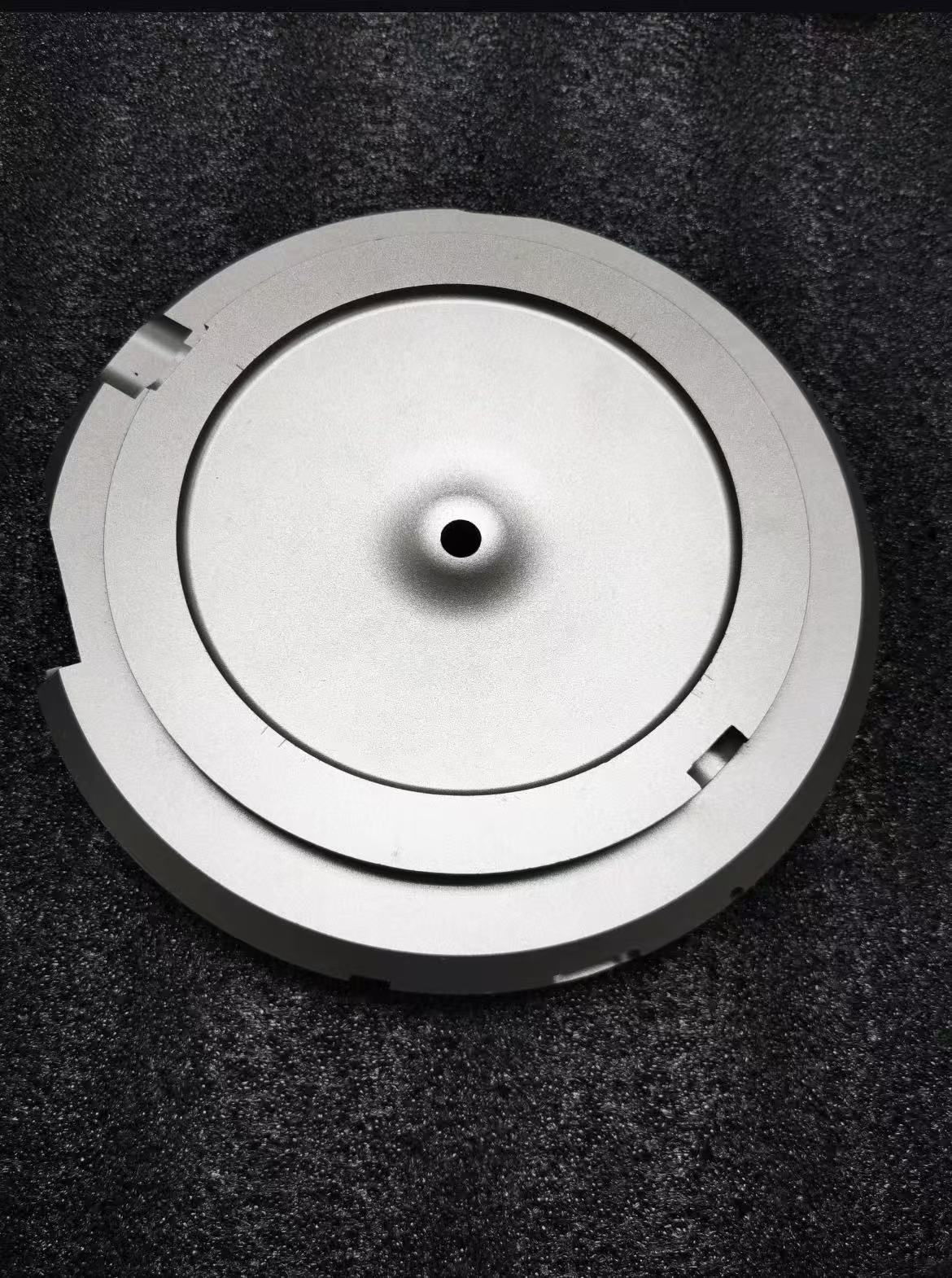
Applications of Five-Axis Machines
Aerospace Component Machining
Aerospace parts often feature complex curves and require high precision. Five-axis machines can complete multi-surface machining in one setup, ensuring dimensional accuracy while reducing the risk of workpiece deformation.
Automotive and Mold Manufacturing
Automotive parts and mold designs are becoming increasingly complex. Five-axis machines enable high-precision surface machining, meeting the needs of mass production and complex structures, significantly improving manufacturing efficiency and product quality.
Medical Device Machining
High-precision medical devices demand excellent surface quality and precision. The multi-angle machining capability of five-axis machines can achieve micrometer-level accuracy, ensuring the safety and reliability of medical devices.
How to Choose the Right Five-Axis Machine
When selecting a five-axis machine, consider the following factors:
-
Machining Precision: Choose the precision level according to product requirements; in aerospace and medical fields, precision is the core criterion.
-
Machining Range: Select the machine's travel and worktable size based on the dimensions of the workpiece.
-
Control System: A high-quality control system can enhance machining efficiency and operational convenience.
-
Brand and After-Sales Service: High-end five-axis machine brands usually provide more stable equipment and comprehensive after-sales support, ensuring long-term production stability.

Operational Precautions for Five-Axis Machines
-
Regular Calibration: Five-axis machines involve multi-axis coordination and require regular calibration to maintain machining precision.
-
Proper Programming: Optimizing tool paths is key to improving efficiency. Use professional CAM software for machining programming.
-
Routine Maintenance: Regularly inspect and maintain the lubrication system, transmission system, and tool clamping system to prevent failures.
-
Operator Training: Operators should receive professional training, be familiar with machine operation procedures and safety regulations, and reduce operational risks.

Operational Precautions for Five-Axis Machines
-
Regular Calibration: Five-axis machines involve multi-axis coordination and require regular calibration to maintain machining precision.
-
Proper Programming: Optimizing tool paths is key to improving efficiency. Use professional CAM software for machining programming.
-
Routine Maintenance: Regularly inspect and maintain the lubrication system, transmission system, and tool clamping system to prevent failures.
-
Operator Training: Operators should receive professional training, be familiar with machine operation procedures and safety regulations, and reduce operational risks.
Future Trends of Five-Axis Machines
With the development of intelligent manufacturing, five-axis machines are upgrading toward digitalization and intelligence. Integrated online measurement, tool monitoring, automated tool change systems, and remote monitoring will further improve production efficiency and machining precision. Additionally, the application of artificial intelligence and big data will promote automatic programming and optimized machining paths, enabling more efficient intelligent manufacturing.
Post time: Mar-13-2026


