

SAN FRANCISCO, April 22, 2026 In the global manufacturing landscape, outsourcing CNC (Computer Numerical Control) parts has emerged as a pivotal strategy for enterprises seeking to cut capital investment, leverage professional machining capabilities, and enhance market agility. From aerospace and automotive to electronics and medical devices, countless manufacturers rely on outsourcing to streamline production and focus on core R&D and business operations. However, despite its obvious advantages, CNC parts outsourcing is not without challenges—many enterprises encounter avoidable issues that disrupt production schedules, increase costs, and even damage brand reputation. To help manufacturers navigate these pitfalls, we outline the five most common issues in CNC parts outsourcing and actionable strategies to avoid them.
1. Quality Inconsistency: The Most Critical Pitfall
Quality control is the top concern in CNC parts outsourcing. Due to the distance between the outsourcing party and the entrusting enterprise, communication barriers and inadequate management often lead to quality fluctuations, especially in mass production. Common quality issues include inaccurate dimensions, poor surface finish, and non-compliance with design tolerances—problems that can render parts unusable and cause costly rework or scrap. For industries like aerospace and medical devices, where precision requirements are extremely strict (tolerances as tight as ±0.001mm), even minor quality deviations can have serious consequences.
How to Avoid: Prioritize partners with certified quality management systems (such as ISO 9001:2015 or AS9100D) and a proven track record of precision machining. Clearly define quality standards, acceptance criteria, and liability for non-compliance in the contract. Conduct regular on-site audits or arrange third-party quality inspections to monitor production processes, and require the outsourcing partner to provide sample acceptance before mass production to ensure alignment with design specifications. Additionally, implement strict machine calibration and environmental temperature control requirements to minimize errors caused by equipment wear or material thermal expansion.

2. Delivery Delays: Disrupting the Entire Production Chain
Delivery delays are another prevalent issue in CNC parts outsourcing, directly impacting the entrusting enterprise’s production plans, leading to assembly line shutdowns, missed customer deadlines, and damaged client relationships. Delays often stem from the outsourcing partner’s insufficient production capacity, raw material supply chain disruptions, poor production scheduling, or unexpected equipment failures. According to industry data, nearly 30% of mid-tier CNC manufacturers experience occasional delivery delays, with加急 orders facing even higher risks.
How to Avoid: Clearly stipulate delivery timelines in the contract, including a reasonable buffer period to account for unforeseen circumstances. Request the outsourcing partner to provide real-time production progress reports and use MES (Manufacturing Execution System) for digital scheduling to track production status dynamically. For large orders, adopt phased delivery to reduce the pressure of a single delivery and ensure continuous supply to your production line. Additionally, verify the partner’s production capacity, equipment redundancy, and raw material supply channels before cooperation to ensure they can meet your delivery requirements even during peak periods.

3. Cost Overruns: Eroding the Benefits of Outsourcing
Many enterprises choose to outsource CNC parts to reduce costs, but hidden fees and unplanned expenses often lead to cost overruns. Common causes include ambiguous pricing structures, additional charges for design modifications, rework costs due to quality issues, and unexpected logistics expenses. For small-batch production, cost overruns can be particularly severe, with some enterprises reporting a 25% increase in actual costs compared to initial quotes before process optimization.
How to Avoid: Conduct thorough market research and price comparisons to ensure the partner’s quotation is reasonable and transparent. Clearly define the price structure, payment terms, and additional charge scenarios (such as design changes or rush orders) in the contract to avoid hidden fees. Collaborate with the outsourcing partner to optimize the design for manufacturability (DFM), which can reduce material waste and processing time, thereby lowering overall costs. For long-term partnerships, negotiate volume-based price discounts to further control costs.
4. Technical Incompatibility: Misalignment with Design Requirements
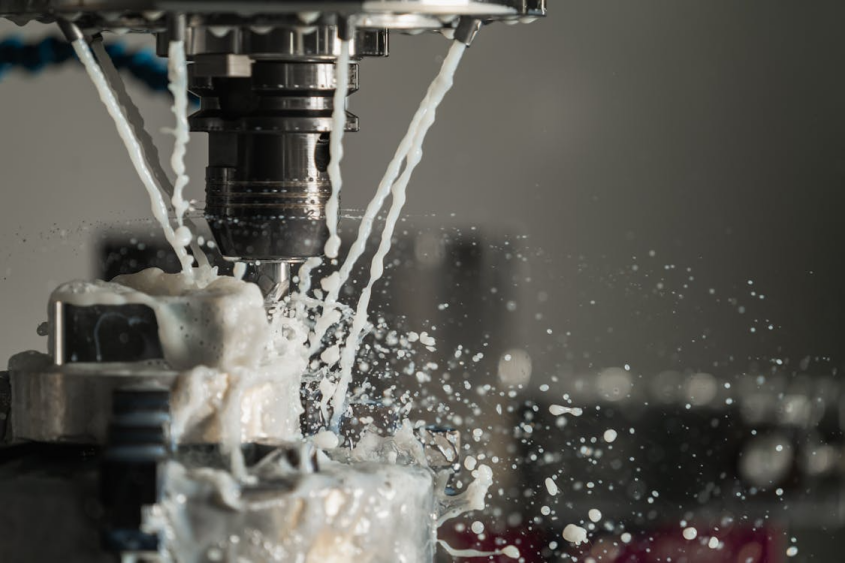
Technical compatibility issues arise when the outsourcing partner’s equipment, technology, or process capabilities cannot meet the entrusting enterprise’s design requirements. This often manifests in mismatched processing precision, inappropriate material selection, or incompatible process routes—even if the partner has advanced equipment, a lack of understanding of specific design needs can lead to substandard parts. With the evolution of CNC technology, the gap between advanced five-axis machining and traditional three-axis machining has widened, making technical alignment more critical than ever.
How to Avoid: Conduct a comprehensive assessment of the outsourcing partner’s technical capabilities before cooperation, including equipment types (such as five-axis vs. three-axis machines), processing precision, material adaptability, and technical team expertise. Hold detailed technical communication meetings to ensure the partner fully understands design specifications, tolerances, and material requirements. Provide detailed design documents and conduct sample testing to verify that the partner’s processing capabilities align with your needs. For complex parts, consider partnering with suppliers that offer integrated solutions, including process optimization and post-processing services.
5. Intellectual Property (IP) Risks: Protecting Core Competitiveness
Outsourcing CNC parts often involves sharing sensitive design drawings, process specifications, and proprietary technologies, which poses significant IP risks. Unauthorized use, theft, or leakage of this information by the outsourcing partner can erode the entrusting enterprise’s competitive advantage and even lead to legal disputes. In industries with high R&D investment, such as electronics and aerospace, IP leakage can result in substantial financial losses and damaged market position.
How to Avoid: Include clear IP protection clauses in the contract, specifying the ownership of design documents, process technologies, and finished parts, and requiring the partner to sign a non-disclosure agreement (NDA). Limit the sharing of sensitive information to only what is necessary for processing, and avoid providing full design details or proprietary process data. Conduct regular compliance audits to ensure the partner is adhering to IP protection requirements, and consider partnering with suppliers with a proven track record of ethical business practices and data security measures.
Conclusion
Outsourcing CNC parts offers significant benefits, but success depends on proactively identifying and mitigating common risks. By prioritizing quality control, clarifying delivery and cost terms, ensuring technical compatibility, and protecting intellectual property, enterprises can turn outsourcing into a strategic advantage that reduces costs, enhances efficiency, and supports long-term growth. As the CNC machining industry evolves toward intelligence and flexibility, choosing the right outsourcing partner—one that acts as an extension of your business—will become increasingly critical to staying competitive in the global market.
Editor:Finn Lu
Tel/WhatsApp: (+86) 18800200593
E-mail: finn@k-tekmachining.com
Post time: Apr-23-2026


